
As seasonal residents in inspection covers, maintaining your home's integrity during empty periods is crucial. A roof, often overlooked, requires regular attention, especially when a house sits vacant. A thorough understanding of what a roof inspection covers is essential to identify potential issues before they become costly repairs. This article provides practical advice for homeowners facing this challenge, guiding you through essential inspections, common problem areas, and best practices to protect your investment, ensuring your home remains in top condition during your absence.
- Understanding Seasonal Roof Care Needs
- What a Roof Inspection Covers: Essential Elements
- Preparing Your Home for Empty Seasonal Periods
- Regular Maintenance Tips for Empty Homes' Roofs
Understanding Seasonal Roof Care Needs
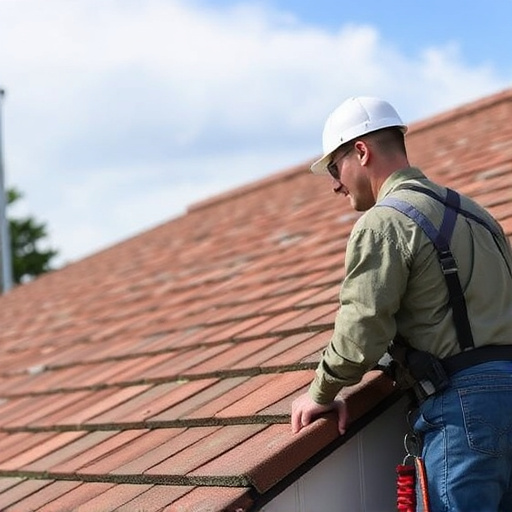
Seasonal residents in Oro Valley face unique challenges for roof care. With homes often unoccupied for parts of the year, it's crucial to understand what a roof inspection covers to ensure structural integrity and protect against costly repairs. Regular inspections are vital, especially during monsoon seasons, when sudden surges in rainfall can exacerbate existing issues or create new ones.
One of the first steps in seasonal roof care is understanding the specific needs of your roof type. Tile roofs require meticulous care, as monsoon winds and heavy rain can dislodge loose tiles or cause underlayment damage. Flat and foam roofs, while less common in Oro Valley, also have their unique inspection considerations, focusing on sealants and flashing to prevent water intrusion. An experienced Oro Valley roof specialist recommends scheduling a detailed inspection before the monsoon season begins to identify and address potential issues.
During the inspection, several key areas should be evaluated. First, inspect gutters, scuppers, and drains to ensure they are clear and functioning properly. Blockages can lead to water damage, especially during heavy monsoon rains. Next, check the underlayment and shingles for signs of wear and tear. The local building code requires a thorough examination of the roof's integrity, including flashing and penetration points, to prevent water from infiltrating the attic and causing further damage. Many insurance companies, like those through the Arizona Department of Housing, also require a recent roof inspection for renewal, especially in areas prone to extreme weather events, such as those covered by DC Roofing of Arizona's services.
As you prepare for the next monsoon season, consider implementing a proactive roof care plan. This includes scheduling regular inspections, especially after significant weather events like wildfires or heavy storms. An inspection after a wildfire ash event, for instance, can help identify any damage from ash buildup on the roof. Remember, early detection and maintenance are key to preserving your home's roof and protecting your investment.
What a Roof Inspection Covers: Essential Elements

When your home in the Catalina Foothills sits empty during the peak seasons, ensuring the roof's integrity is crucial. A thorough roof inspection is essential to catch potential issues early, saving you from costly repairs. But what exactly does a roof inspection cover? This guide provides insights into the essential elements of a comprehensive roof assessment, offering valuable information for seasonal residents.
A licensed Oro Valley area roofing contractor recommends addressing several key areas. First, visual inspections are vital to spot visible damage, such as missing or damaged shingles, flashing issues, or signs of water intrusion. This initial check also includes assessing the condition of gutters, scuppers, and drains, as clogs or leaks can lead to serious roof problems. Using advanced tools like moisture meters, experts can detect subtle moisture buildup, a potential indicator of underlying issues. These meters are especially useful for older roofs or those with tile underlayment, where moisture intrusion can go unnoticed.
Under the hood, so to speak, the inspection examines the roof's structure. This includes examining the underlayment, which serves as a protective layer between the shingles and the deck. Damage or deterioration here can compromise the roof's integrity. The inspector will check the flashing around chimneys, vents, and roof penetrations, ensuring proper sealing to prevent water seepage. For roofs with solar panels, a specialized inspection is recommended to ensure the panels are securely attached and not causing any damage to the surrounding area.
A well-rounded roof inspection also involves an infrared scan, which can identify heat anomalies, potential water leaks, or areas of poor ventilation. This technology is particularly useful for identifying issues that may be invisible to the naked eye. Post-inspection, a detailed report is provided, outlining the findings, recommended repairs, and potential future issues. By addressing these elements, seasonal residents can ensure their homes' roofs are in optimal condition, providing peace of mind and protection against unexpected damage.
Preparing Your Home for Empty Seasonal Periods

When your home in Oro Valley sits empty during the seasonal months, preparing for potential weather events and ensuring the roof's integrity is crucial. Regular inspections are vital, especially with varying weather patterns, including monsoons and wildfires, which can impact the roof's health. This is where an experienced Oro Valley roof specialist can provide valuable guidance and peace of mind.
A comprehensive roof inspection covers several critical areas, especially for seasonal residents. Firstly, examining the roof's underlayment and flashing is essential, as these components protect against water intrusion and are particularly vulnerable to damage during storms. An inspection should also include a check for signs of aging or damage, especially on tile roofs, which may require replacement. Many HOA regulations mandate regular inspections, so staying on top of these is vital to avoid potential fines. A pre-monsoon inspection checklist should be a priority, ensuring your home is protected during the intense weather patterns that follow.
Using advanced technologies like drone photos can offer a detailed yet non-intrusive view of your roof's condition. This method is especially useful for inspecting flat or foam roofs and hard-to-reach areas. After a storm or when you suspect damage, an inspection report can provide concrete evidence for insurance claims. An infrared roof inspection can detect heat anomalies, indicating potential leaks or areas of concern. The inspection report should detail all findings, including any required repairs, the estimated cost, and the timeline for completion, which is crucial information for homeowners, especially those planning to list their property.
Between inspections, homeowners should be vigilant for warning signs. Look for missing or loose shingles, water stains, or peeling paint, especially in areas exposed to direct sunlight or wind. Regularly checking gutters, scuppers, and drains is also essential, as these play a vital role in protecting your roof and home from water damage. For vacation rental properties, ensuring the roof is in good condition is paramount to maintaining a positive experience for guests. An experienced roof specialist can provide tailored advice based on your home's unique characteristics, ensuring it's protected during every season.
Regular Maintenance Tips for Empty Homes' Roofs
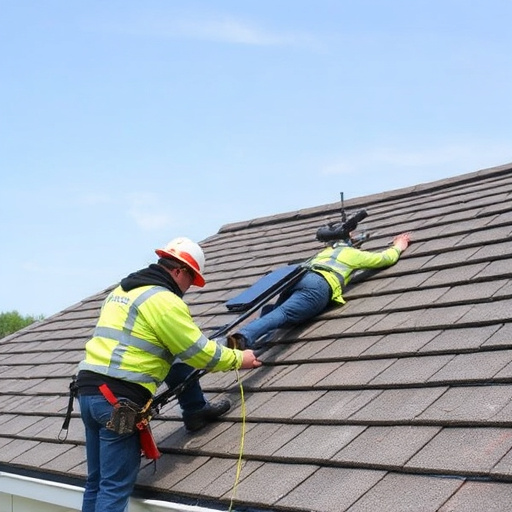
When your home in Oro Valley sits empty for extended periods, especially during the summer months or before the monsoon season, regular roof maintenance becomes even more crucial. A licensed Arizona roofer emphasizes the importance of inspections, not just for structural integrity but also to prevent costly repairs later. This is particularly true for areas prone to extreme weather conditions, like our region.
What a roof inspection covers includes assessing the overall condition of the roof, looking for signs of damage, and identifying potential issues that could lead to bigger problems. A thorough inspection should include checking the roof valleys, where debris buildup can cause water damage. Inspecting the flashing, the barrier between the roof and the wall, is also key. A missed inspection could result in slipped tiles, a common issue during intense weather changes. These seemingly small details can significantly impact the longevity of your roof.
During these empty periods, homeowners can take proactive measures to maintain their roofs. Regular cleaning of gutters, scuppers, and drains is essential to prevent clogs and water damage. Inspecting the roof for any signs of wear and tear, such as missing or damaged shingles, is crucial. For older homes, an expert roofer suggests checking the underlayment, as it can degrade over time, especially in our area's sun-exposed environment. Using advanced infrared technology, some professional inspectors can even detect issues like moisture intrusion, which could indicate a problem before it becomes visible to the naked eye.
Remember, a well-maintained roof is a significant investment in your home's value. By implementing these maintenance tips, seasonal residents can ensure their homes are protected, even when they're not present. A proactive approach could prevent a minor issue from escalating into a costly repair during the peak of the monsoon season.
Frequently Asked Questions About advice for seasonal residents on roof inspections while a home sits empty
What if I'm a seasonal resident? How often should I have my roof inspected?
As a seasonal resident, it's important to have your roof inspected at least twice a year. This is crucial to catch any potential issues before they become costly repairs. While you're away during the winter, weather can cause damage, and pests like termites can also be a problem. A spring inspection before the peak of the season and a fall inspection post-season are recommended.
What should I look for during a roof inspection?
Focus on signs of water damage, missing or damaged shingles, flashing issues, and sagging or loose spots. Inspect for visible signs of pests, like termite damage or ant nests. Also, check the gutters for clogs and ensure downspouts are directing water away from the foundation. A licensed roofer can help you identify any problem areas.
Can I do a roof inspection myself, or do I need a professional?
While you can perform a basic visual inspection, it's highly recommended to hire a licensed Oro Valley area roofing contractor for a thorough assessment. They have the expertise and equipment to spot subtle issues that could be missed by an untrained eye.
How much does a roof inspection cost?
Most roof inspections cost between $100 and $300, depending on the size and complexity of your home. This is a small investment compared to the potential cost of repairs. Many roofing contractors offer inspection packages that include a detailed report of findings.
What happens if the inspector finds damage?
If damage is discovered, the roofer will provide an estimate for repairs. It's important to prioritize repairs promptly to avoid further damage and potential safety hazards.
Should I get a roof inspection before putting my house on the market?
Absolutely. A recent roof inspection can add value to your home and give buyers confidence in its condition. It's also a good idea to address any issues before putting it on the market.
Seasonal residents, caring for their homes in Oro Valley, now possess a comprehensive understanding of roof inspection needs and maintenance. A thorough roof inspection, covering key elements like underlayment, flashing, and drains, is crucial before leaving your property empty during the monsoon or after a wildfire. Regular maintenance, including clearing gutters and inspecting for signs of wear, ensures your roof remains in top condition. By following these guidelines, homeowners can protect their investment, avoid costly repairs, and ensure their property is protected under their insurance policy. The next step is to schedule a professional inspection, staying vigilant in maintaining the most vital part of your home-its roof.
Seasonal Roof Care in Oro Valley: A Practical guide
Regular roof inspections are vital for seasonal residents in Oro Valley to prevent costly repairs and ensure structural integrity. Key areas to evaluate include gutters, underlayment, shingles, flashing, and drains. Advanced tools like moisture meters and infrared scans can detect subtle issues. Proactive maintenance, such as regular cleaning and inspecting for damage, is essential during empty periods. Following these practices protects your investment and ensures a home's roof is in optimal condition year-round.