
In Oro Valley, where diverse roofing landscapes range from concrete tile to flat and foam structures, a thorough roof inspection is crucial for both homeowners and property managers. With varying climates, from monsoons to wildfires, and local building codes in play, a meticulous inspection process ensures not only the structural integrity of a roof but also its longevity. This guide aims to demystify the process, offering insights into what a roof inspection covers, especially for these common roof types. We'll explore best practices, seasonal considerations, and the role of gutters in maintaining a robust roof system, providing homeowners and professionals with a comprehensive approach to Oro Valley's unique roofing needs.
- Assessing Concrete Tile Roofs in Oro Valley
- Understanding Foam Roof Inspection Protocols
- Checking Flat Roofs for Common Issues
- Maintaining Gutters for Optimal Roof Performance
Assessing Concrete Tile Roofs in Oro Valley
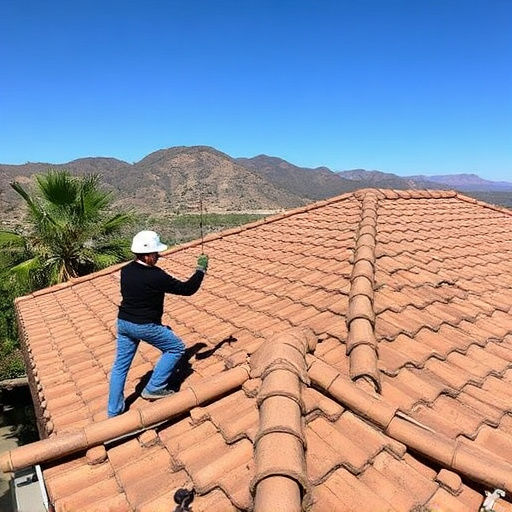
Inspecting concrete tile roofs in Oro Valley requires a thorough understanding of local building codes, the region's unique weather patterns, and the specific materials common in the area. The primary focus during these inspections is to assess the overall integrity of the roof, looking for signs of wear and tear, especially after the intense monsoons and occasional hailstorms. One crucial aspect is checking the gutters, scuppers, and drains, as proper drainage is vital to prevent water damage and mold growth. Concrete tile roofs often require specific flashing and ridge cap installations to safeguard against leaks at joints and along the roof's perimeter.
A licensed Arizona roofer will pay close attention to the underlayment, ensuring it is in good condition and securely fastened under the tiles. This step is essential as it provides a critical barrier against moisture intrusion, a significant concern in Oro Valley's climate. The roofer will also inspect the tile for any loose or damaged pieces, checking for proper sealing at each tile intersection. During the monsoon season, these inspections become even more critical, as high winds and intense rainfall can cause significant damage. Homeowners should be alert for warning signs, such as missing or loose tiles, discolored or warped wood, and water stains on interior walls, which may indicate a problem that requires immediate attention.
Regular inspections, often recommended annually, are crucial for maintaining the roof's longevity. A skilled inspector will also look for signs of wear on the gutters, ensuring they are clear of debris and in good working order. This includes checking for proper drainage, as clogged gutters can lead to water damage and structural issues. After a storm, whether it's a hail event or a wildfire-induced ash fall, a thorough roof inspection is imperative. These inspections not only identify immediate damage but also help in filing insurance claims, ensuring Oro Valley homeowners receive the necessary coverage for repairs or replacements.
Understanding Foam Roof Inspection Protocols

Foam roofs, popular in Oro Valley due to their energy efficiency, present unique inspection challenges compared to more traditional tile or flat roofs. This section examines the specific protocols for evaluating these systems, focusing on key areas that often require close scrutiny.
A thorough foam roof inspection starts with a visual assessment of the overall roof structure. Look for signs of wear and tear, especially around parapets and edges, where these roofs are most vulnerable to damage. Cracked or deteriorated foam can indicate underlying issues, so close inspection is crucial. Check for proper sealing around gutters, scuppers, and drains-a common point of failure. These openings must be sealed to prevent water infiltration, a leading cause of roof damage. Homeowners and HOA boards should also request evidence of regular maintenance, as foam roofs require specific care to maintain their integrity.
Below the surface, the underlayment and flashing play a critical role in foam roof performance. Inspectors should verify that these components are in place and in good condition, as they provide essential protection against leaks. Unlike tile roofs, which often have visible underlayment, foam roofs require infrared technology to detect any potential issues. This advanced method allows a licensed Arizona roofer to identify problems that might be obscured by the foam's smooth surface.
Remember, a comprehensive Oro Valley roof inspection protocol involves assessing both the visible elements and the underlying systems. By paying close attention to these details, inspectors can ensure the longevity and efficiency of foam roofs, a valuable asset for any Oro Valley homeowner or property manager.
Checking Flat Roofs for Common Issues

Inspecting flat roofs for common issues in Oro Valley is a crucial part of any comprehensive roof maintenance program. In this region, where concrete tile, foam, and flat roofs are prevalent, homeowners and property managers must be vigilant about regular assessments. One of the most overlooked yet critical aspects of these roofs is the condition of the gutters. Proper gutter maintenance is essential to prevent a range of problems, from water damage to structural instability.
A thorough inspection should involve checking for cracks in the tiles, which can lead to leaks and weakened structural support. In areas like Rancho Vistoso, where concrete tile roofs are ubiquitous, these cracks can be more common due to the region's unique climate and environmental factors. Examining the underlayment for signs of damage or wear is vital. Underlayment, often a critical barrier between the tile and the roof deck, can be susceptible to moisture intrusion if not properly installed or maintained. DC Roofing of Arizona, a licensed Oro Valley area roofing contractor, recommends looking for signs of "ponding"-water accumulation-which can indicate blockages in the drainage system and lead to severe damage over time.
When inspecting flat roofs, pay close attention to the gutters and downspouts. Clogged gutters are a common issue, often caused by leaves, debris, or even animals. These obstructions can result in improper water flow, leading to potential damage to the roof and surrounding structures. Regular cleaning and maintenance, along with timely repairs, can prevent these issues from escalating. A well-maintained gutter system can significantly reduce the risk of water intrusion into the attic, which is a common source of costly repairs. Lastly, keep an eye out for signs of wear and tear, especially in older homes, as these roofs may require specialized care and attention.
Maintaining Gutters for Optimal Roof Performance
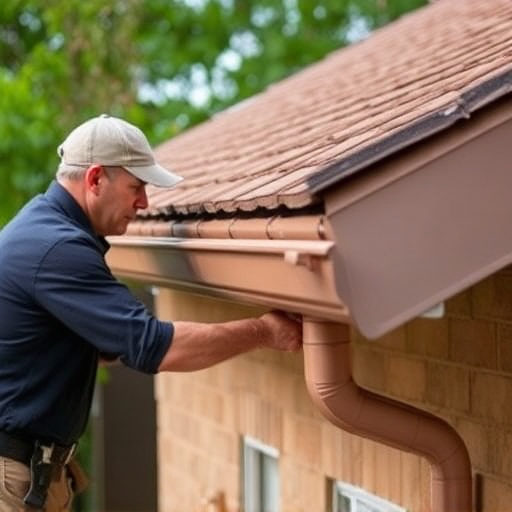
Maintaining gutters is a crucial aspect of roof care, especially for the diverse roofing types common in Oro Valley. When inspecting concrete tile, foam, or flat roofs, a licensed Arizona roofer often emphasizes the importance of a well-functioning gutter system. Gutters play a vital role in directing moisture away from the roof and building, preventing water damage and potential structural issues. Over time, gutters can accumulate debris, especially in areas prone to heavy rainfall like Oro Valley, which may lead to clogs and overflows.
A comprehensive gutter inspection involves checking for any signs of damage, corrosion, or debris buildup. Rooftop gutters should be free from obstructions, ensuring water can flow seamlessly. This includes examining the gutter's connections to the roof and downspouts, ensuring they are secure and properly sealed. For concrete tile roofs, inspectors should pay special attention to the edges of the tiles, where debris can easily accumulate, causing water to pool and potentially damaging the underlayment. A simple moisture meter test can help identify areas where water is pooling, indicating potential gutter or roofing issues.
In Oro Valley, where roof valleys and scuppers are common, proper gutter maintenance is even more critical. Roof valleys are the low points where water collects, and scuppers are the openings at the edge of the roof that direct water into the gutters. Inspectors should ensure these areas are clear of debris and that water is flowing freely through the scuppers and downspouts. Regular cleaning and maintenance, often recommended before and after monsoon seasons, can prevent clogs and ensure optimal roof performance. For older homes, inspectors might also consider the condition of the gutter's hangers and supports, which can weaken over time, affecting the gutter's overall integrity.
Frequently Asked Questions About a guide to inspecting concrete tile, foam and flat roofs common in Oro Valley
What are the most common types of roofs in Oro Valley? Oro Valley, like many desert regions, often features concrete tile, foam, and flat roofs. Concrete tile is durable and requires minimal maintenance, while foam roofs are known for their energy efficiency. Flat roofs, common for commercial buildings, need regular inspection for leaks and damage.
How often should I have my roof inspected? It's recommended to have a professional inspection at least once a year, especially in harsh climates like Oro Valley's. Regular inspections can prevent minor issues from becoming costly repairs. Look for signs of wear, leaks, or mold growth, which may require immediate attention.
What should I look for during a roof inspection? Focus on several key areas: the roof's structure, flashing (waterproof seals), gutters and downspouts, and the condition of the tiles or panels. Check for cracks, loose or missing tiles, water stains, and signs of pests or mold. A thorough inspection ensures potential problems are caught early.
How do I know if my roof needs repairing or replacing? Regular inspections are crucial for determining your roof's health. Look for widespread damage, such as multiple cracks or missing tiles, as well as signs of water intrusion. A licensed roofer can assess the situation and advise on repairs or replacements, considering factors like age and local weather patterns.
What are the benefits of maintaining my roof? Regular maintenance extends the lifespan of your roof, saving you from costly emergency repairs. It also helps ensure your home is protected against the elements, maintaining its value and energy efficiency. A well-maintained roof can also prevent water damage, which can be expensive to fix.
Who should I call for roof inspection and repair in Oro Valley? Contact a licensed Oro Valley area roofing contractor like DC Roofing of Arizona. They have the expertise and tools to inspect, repair, or replace your concrete tile, foam, or flat roof, ensuring it meets safety and local building codes.
Can I perform a roof inspection myself? While DIY projects are popular, roof inspections are best left to professionals. They have the necessary safety equipment and knowledge to thoroughly assess your roof, especially in challenging conditions. Always prioritize safety and seek expert help for complex tasks.
As Oro Valley homeowners navigate the unique roof challenges posed by the region's climate and diverse roofing types, a comprehensive understanding of inspection protocols is crucial. This guide has demystified the process for evaluating concrete tile, foam, and flat roofs, highlighting the importance of meticulous attention to detail. From assessing concrete tile for signs of wear to understanding the intricacies of foam roof inspection, each roof type demands specific considerations.
Checking flat roofs for common issues, such as leaks or damaged underlayment, is a critical step in ensuring long-term performance. Maintaining gutters is an essential yet often overlooked aspect of roof care. Proper gutter management not only prevents water damage but also supports the overall health of the roof system.
Homeowners now possess a robust toolkit to navigate Oro Valley's roofing landscape. By following these guidelines and prioritizing regular inspections, including gutter checks, residents can safeguard their investments, mitigate risks, and ensure their homes remain protected against the elements. This article's authority lies in its practical, data-driven approach, empowering readers to make informed decisions regarding their Oro Valley roof's health.
Oro Valley Roof Inspection: Key Focus Areas
- Concrete Tile, Foam, & Flat Roofs:
- Understand local building codes, weather patterns, and common materials.
- Check gutters, scuppers, and drains for proper drainage and sealing.
- Inspect underlayment, flashing, and tile intersections for damage or wear.
- For foam roofs, use infrared tech to detect issues in the underlayment and flashing.
- Gutters:
- Essential for water management and roof protection.
- Inspect for damage, corrosion, and debris buildup.
- Ensure seamless flow of water through scuppers and downspouts.
- Regular cleaning and maintenance prevent clogs and structural issues.
- Regular Inspections:
- Annually for concrete tile; post-monsoon and after storms for all roofs.
- Filing insurance claims and preventing long-term damage.
- Signs of Trouble:
- Missing or loose tiles, warped wood, and water stains indicate problems.
- Look for wear on gutters and underlayment.
- Address issues promptly for roof longevity.