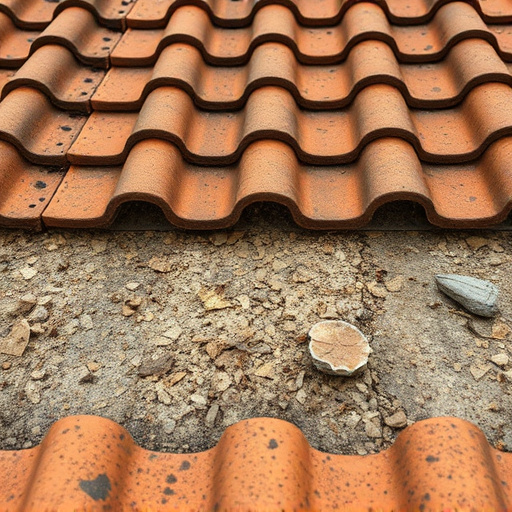
In the rugged, sun-drenched landscapes of inspection covers, like Oro Valley, Arizona, a roof's health is no minor concern. With scorching summers and intense monsoons, the region's roofs endure a rigorous test of endurance. This makes seasonal roof inspections crucial, especially before and after monsoon season, when the risk of damage from hail, wildfires, and intense rain is highest. The problem? Many homeowners overlook these inspections, often focusing solely on the initial installation. Yet, a comprehensive checkup includes examining underlayment, flashing, and even the oft-overlooked skylight seal inspection, crucial for preventing water intrusion and structural issues. This article offers expert guidance on navigating these seasonal inspections, ensuring your roof remains a steadfast guardian against Arizona's diverse weather.
- Pre-Monsoon: Prepare Your Roof for Extreme Weather
- Post-Monsoon: Assess Damage and Seal Leaks
- Skylight Seal Inspection: Protecting Your Home's Light Source
- Year-Round Maintenance: Extending Your Roof's Lifespan
Pre-Monsoon: Prepare Your Roof for Extreme Weather

As the monsoon season approaches, preparing your roof becomes crucial to mitigate potential damage from intense weather patterns. A licensed Arizona roofer recommends focusing on several key areas to ensure your roof's longevity and structural integrity. One often-overlooked but critical aspect is the skylight seal inspection. Monsoon winds and sudden changes in temperature can compromise even the best-sealed skylights, leading to water intrusion and potential mold growth.
Before the monsoon, thorough attic ventilation checks are essential. Proper ventilation reduces the risk of heat buildup, which can cause the underlayment and shingles to deteriorate faster. Ensure vents are unobstructed and functioning optimally. Inspect for any signs of water damage or mold in the attic, as these can indicate leaks and require immediate attention. In areas like Canada Hills, where extreme weather is common, regular checks for cracked tiles are vital. Cracked or missing shingles are easily overlooked but can expose your home to significant damage during heavy storms.
During your pre-monsoon roof inspection, pay close attention to the condition of your underlayment, especially under tile roofs. The Local Building Code requires regular checks and replacements to ensure it's in top condition. This step is crucial because a compromised underlayment can lead to serious water damage and accelerate the need for roof repairs or even a full replacement. Consider the environmental impact of your roofing choices. Metal Roofing Manufacturers offer advanced materials that can withstand extreme conditions, reducing the need for frequent repairs.
Lastly, for homeowners planning to sell or lease their properties, a comprehensive roof inspection before the monsoon is invaluable. A HOA roof inspection can identify issues that may affect the property's value. For vacation rentals, ensure a thorough inspection to guarantee guest safety and property protection. Addressing any roof concerns early can save you time, money, and potential headaches later, making your home more resilient against the forces of nature.
Post-Monsoon: Assess Damage and Seal Leaks
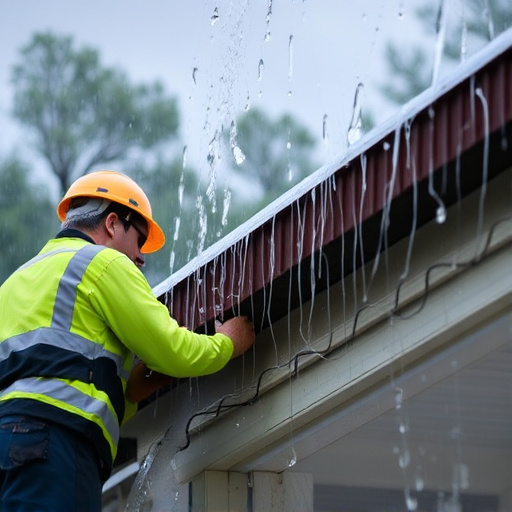
After the monsoon season, it's crucial to perform a thorough roof inspection to assess any damage and prevent further complications. The intense rainfall and potential storms can leave behind visible and invisible signs of wear and tear on your roof. One critical area to focus on is the skylight seal inspection in Oro Valley, especially in neighborhoods like Canada Hills where weather patterns can be particularly challenging.
During this post-monsoon assessment, inspect the seals around skylights, windows, and vents. Look for cracks, gaps, or signs of water intrusion. These areas are particularly vulnerable to damage during heavy rains and can lead to long-term issues, including mold growth and structural damage. A licensed Oro Valley area roofing contractor recommends checking for ponding water on the roof surface and in the gutters, as this can indicate clogs or improper drainage, further exacerbating existing issues. In some cases, the damage might be subtle, such as small cracks in the underlayment or flashing, but these should not be overlooked.
Addressing these issues promptly is essential. If the skylight seal is compromised, it's advisable to replace it to prevent water penetration. The roofing contractor should also check the condition of the roof's underlayment and flashing, especially around penetrations, to ensure everything is secure and sealed. In areas prone to wildfires, like Oro Valley, an additional check for ash damage and potential debris in the gutters and drains is vital. After a storm or wildfire, a thorough inspection can provide peace of mind and help you identify and mitigate any potential roof problems, ensuring the longevity and safety of your home.
Skylight Seal Inspection: Protecting Your Home's Light Source

Skylights are a stunning addition to any Oro Valley home, providing natural light and a unique architectural element. However, they also require special care and maintenance, especially during the unpredictable monsoon season. A crucial aspect of preparing your roof for the monsoons is ensuring the integrity of your skylight seals. These seals are often overlooked but play a vital role in protecting your home from water damage and energy loss.
A licensed Oro Valley area roofing contractor recommends that homeowners schedule a thorough inspection of their skylight seals as part of their annual roof maintenance routine. This inspection covers the entire skylight mechanism, including the seal around the frame, the flashing, and the counter-flashing. The primary goal is to identify any signs of wear, tear, or damage that could compromise the seal's effectiveness. Monsoon season brings intense rainfall and powerful winds, making it even more critical to ensure these seals are in top condition. Failure to maintain proper sealing can lead to leaks, which not only cause costly damage to your home's interior but also contribute to energy inefficiencies.
During the inspection, the roofer will also assess the condition of the roof valleys and parapets surrounding the skylight. These areas are particularly vulnerable to water buildup and leaks, especially during heavy rainfall. By addressing any issues before the monsoons, homeowners can avoid costly repairs and ensure their insurance policies remain valid. Regular maintenance, including skylight seal inspection, can prevent claims denials due to pre-existing conditions. If a seal is found to be cracked or broken, the contractor can provide a replacement and ensure proper installation, guaranteeing a watertight seal.
To visual inspections, advanced technologies like infrared imaging can be employed to detect subtle leaks or areas of weakness. This non-invasive method allows the roofer to identify problems that may be difficult to spot with the naked eye. Once identified, these issues can be addressed promptly, preventing further damage and ensuring your home remains protected. Regular, proactive care for your skylight seals and the entire roof system is the key to maintaining a comfortable, safe, and energy-efficient living space.
Year-Round Maintenance: Extending Your Roof's Lifespan
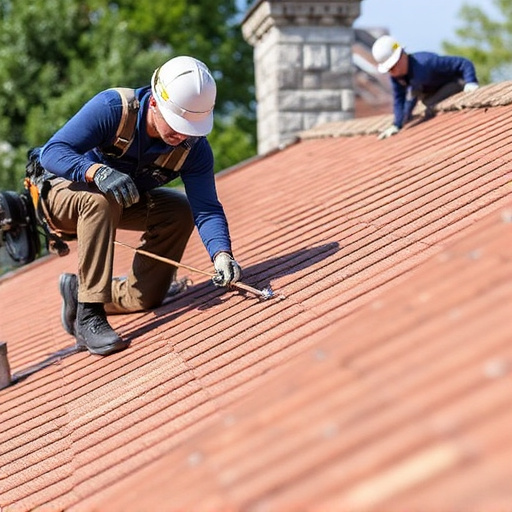
Maintaining your roof year-round is crucial, especially in regions like Oro Valley where monsoons bring extreme weather conditions. A roofing contractor serving Oro Valley and Marana recommends implementing proactive strategies to extend your roof's lifespan. Regular inspections are key, offering a comprehensive view of your roof's health. This is especially true before and after monsoon seasons, when moisture levels and intense storms can accelerate roofing issues.
A detailed inspection report should include a thorough check of the underlayment, where many problems begin. Look for signs of aging, tears, or moisture intrusion. For flat and foam roofs, a moisture meter can be invaluable, detecting even the slightest traces of water that could indicate a serious issue. Pay close attention to flashing and penetration points-areas where the roof meets walls or chimneys. These areas are common problem spots, and proper sealing is crucial. Remember, a well-maintained seal around skylights is also essential, as these openings can be vulnerable to leaks during monsoons.
Post-monsoon, inspect your roof for any damage caused by hail or intense winds. Look for missing or damaged shingles, as these can compromise the roof's integrity. If you're a homeowner, scheduling inspections annually and after significant weather events is a smart move. An inspection report from a qualified expert can pinpoint issues early, saving you from costly repairs. By staying proactive, you ensure your roof remains a protective shield for your home, safeguarding against the elements year-round.
Frequently Asked Questions About Seasonal Advice on Roof Inspections Before and After Monsoon Season
What is the best time to conduct a roof inspection before the monsoon season?
The ideal time to inspect your roof before monsoon season is in the spring, specifically during the months of April and May. This allows for sufficient time to identify and address any potential issues, ensuring your roof is in optimal condition to withstand the intense rainfall and strong winds that often accompany monsoons. Early inspection is crucial as some problems, such as loose shingles or damaged gutters, may take several weeks to repair, depending on the complexity of the work.
How do monsoon seasons impact roofs?
Monsoon seasons bring heavy rainfall, strong winds, and sudden changes in weather, all of which can significantly impact roofs. High winds can dislodge shingles, while intense rainfall can overload drainage systems, leading to leaks. The constant moisture can also accelerate the degradation of roofing materials, compromising the integrity of the entire structure. Regular inspections during and after monsoons are essential to mitigate these risks.
What should I look for during a monsoon-related roof inspection?
Focus on several key areas: the state of shingles and flashing, the condition of gutters and downspouts, and signs of water damage or leaks. Inspect for loose or missing shingles, as well as any cracks or curling in the roofing material. Check for proper sealing around chimneys, vents, and other penetrations. Also, look for water stains, mold, or peeling paint, which could indicate internal water intrusion.
How can I prepare my roof for monsoon season if an inspection reveals damage?
If the inspection uncovers damage, immediate repair is recommended. Replace any missing or damaged shingles, secure loose ones, and ensure gutters and downspouts are clear of debris and in good working order. Repair or replace any faulty flashing around chimneys and vents. For extensive damage, consult a licensed Oro Valley area roofing contractor like DC Roofing of Arizona. They can assess the situation and provide tailored solutions to ensure your roof is monsoon-ready.
Is it necessary to hire a professional for post-monsoon roof inspections?
While a DIY inspection is possible, it's advisable to engage a professional roofer, especially after monsoon season. They have the expertise and tools to conduct thorough checks, identifying issues that might be missed by an untrained eye. Professional inspections also provide peace of mind and can help catch potential problems early, preventing costly repairs.
What should I do if I notice water leaking from my roof after a monsoon storm?
First, turn off the main water supply to your home to prevent further water intrusion. Then, locate the source of the leak by inspecting the roof for wet spots or water stains. If the leak is severe or you can't pinpoint the source, contact a local roofing company serving Oro Valley and Marana immediately. They can assess the damage and provide emergency repairs to prevent water damage to your home.
Preparing your roof for the monsoon season and performing diligent post-monsoon assessments are crucial steps to ensure your home's protection. By following the pre-monsoon inspection checklist, you can proactively identify vulnerabilities, strengthen structural integrity, and mitigate risks. After the monsoon, a thorough evaluation of potential damage, including a skylight seal inspection, is essential to prevent water intrusion and costly repairs. Year-round maintenance practices, such as addressing gutters, scuppers, and drains, extend the lifespan of your roof. These seasonal strategies, combined with regular inspection and timely repairs, empower homeowners to safeguard their investments and maintain the overall health of their properties in inspection covers.
Pre-Monsoon Roof Inspection Checklist:
- Skylight Seal Inspection: Prioritize, as compromised seals can lead to water intrusion and mold.
- Attic Ventilation: Check for unobstructed vents to prevent heat buildup, a cause of accelerated shingle degradation.
- Water Damage/Mold: Inspect attic for signs of water damage or mold, indicating potential leaks.
- Tile/Shingle Inspection: Regularly check for cracked or missing tiles/shingles, especially in extreme weather areas like Canada Hills.
- Underlayment Condition: Ensure underlayment is in top condition, as per local building code, to prevent serious water damage.
- Consider Metal Roofing: Advanced materials can withstand extreme conditions, reducing repair needs.
- HOA/Rental Property: A comprehensive inspection is vital for property value, safety, and protection.
Post-Monsoon Roof Care:
- Skylight Seal Check: Inspect for cracks, gaps, water intrusion, and proper sealing.
- Moisture Detection: Use moisture meters for flat and foam roofs to identify subtle water intrusion.
- Flashing and Penetration Points: Ensure proper sealing around flashing and at penetration points.
- Hail/Wind Damage: Post-storm, inspect for missing or damaged shingles and hail damage.
- Regular Annual Inspections: Schedule inspections annually and after weather events for proactive roof maintenance.