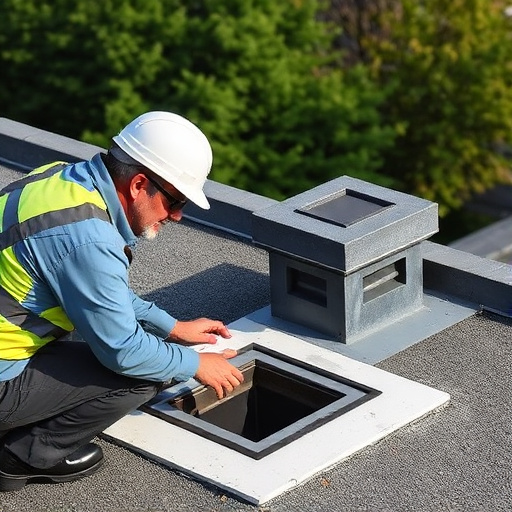
Roof leaks and structural failures aren't just costly headaches; they can turn into major disasters, especially in areas prone to extreme weather. A comprehensive roof inspection is crucial for homeowners, especially in Oro Valley where seasonal changes and occasional severe weather events can take a toll. A thorough inspection report, accompanied by detailed photos, is your best defense against unexpected repairs. This guide deciphers the key elements of a roof inspection report and photos, helping you understand the health of your roof and guiding you through post-inspection actions, from addressing minor issues to planning for major repairs, including a crucial focus on the often-overlooked skylight seal inspection.
- Understanding a Roof Inspection Report
- Interpreting Roof Condition Photos
- Evaluating Skylight Seal Integrity
- Recommending Repairs and Maintenance
Understanding a Roof Inspection Report

A roof inspection report is a crucial document that provides a detailed assessment of your roof's condition, offering insights into its overall health and potential issues. When purchasing a seasonal home, going through an insurance renewal, or preparing for a home sale, understanding this report can be invaluable. It serves as a practical guide for homeowners, offering peace of mind and ensuring any potential problems are addressed.
The report is typically accompanied by a series of high-quality photos that capture the roof's current state. These visual aids are essential, as they allow an experienced Oro Valley roof specialist to convey complex information in a clear, tangible way. Each photo should highlight specific areas of interest, such as the roof's structure, underlayment, shingles, or skylight seal inspection. By examining these visuals, you can better comprehend the inspector's findings and the recommended actions. Photos of the underlayment can reveal signs of aging or damage, while images of the skylight seal may highlight any potential leaks or wear and tear.
The written report itself is structured to provide a clear and concise overview. It should include a detailed description of the inspection process, the materials used, and any defects or damage observed. Key elements to look for include an assessment of the roof's age and condition, the state of the flashing and penetration points, and the overall integrity of the structure. The report may also include recommendations for repairs or replacements, emphasizing the urgency of certain issues. For seasonal homes, understanding these reports is critical, as they can help identify potential problems that may have arisen during periods of disuse.
When reviewing the report, pay close attention to any red flags. Warning signs between inspections, such as unusual wear patterns or recent hail damage, should be taken seriously. These indicators may require immediate attention to prevent further complications. A failed skylight seal inspection could lead to water intrusion and potential attic damage. Following the report's recommendations and seeking expert advice for complex issues, like inspecting roofs with solar panels, is essential for ensuring the longevity of your roof.
Interpreting Roof Condition Photos
Interpreting Roof Condition Photos
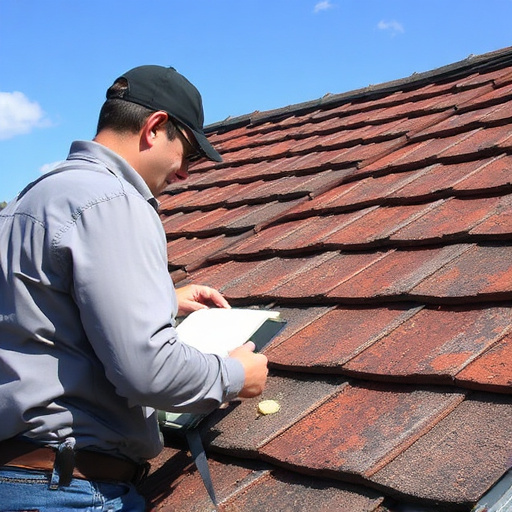
When reviewing a roof inspection report, the photos are a critical component. They provide visual evidence of the roof's condition, allowing you to see issues that might not be immediately apparent from a written description. Look for detailed images of the roof's various components, such as the valleys-the areas where two roof planes meet-as these can be vulnerable to leaks. Also, pay close attention to photos that focus on scuppers, the drains that direct water away from the roof and building. Blocked scuppers can lead to water damage, so ensure they are clear and free of debris.
Infrared camera images can offer valuable insights as well. This technology detects heat variations, helping to identify areas of the roof that may be damaged or deteriorated. A dark spot in an infrared image could indicate a missing or damaged shingle, while a concentrated area of high heat might signal a problem with the underlayment or flashing. The contractor should include a detailed explanation of these images in the report to ensure you fully understand what they reveal.
A licensed Oro Valley area roofing contractor will often include a skylight seal inspection in their report and photos. This is crucial as skylights are both beautiful features and potential weaknesses. The photos should clearly show the seal around the skylight, and any contractor worth their salt will note if it appears intact or if there are signs of damage or wear that might compromise its effectiveness. Regular inspection of skylight seals is essential to maintaining the integrity of your roof and preventing water intrusion.
Evaluating Skylight Seal Integrity
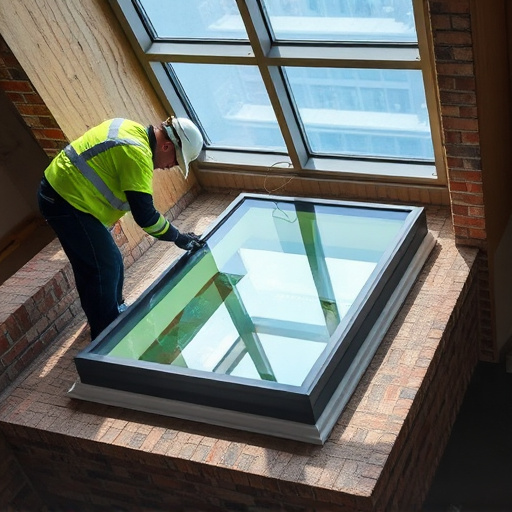
A thorough roof inspection report is your guide to understanding the health and integrity of your roof. When evaluating a report, pay special attention to the section dedicated to skylight seal inspection. Skylights are beautiful additions to any home, but they also create potential vulnerabilities in your roof's defense against the elements. A skilled roofer, like a roofing contractor serving Oro Valley and Marana, will meticulously assess the skylight seals, looking for signs of damage, wear, or leaks.
The report and accompanying drone photos can offer a detailed view of the skylight's condition. Inspectors use drones to capture high-resolution images from various angles, allowing for a comprehensive assessment. Look for signs of cracking, separation from the roof, or visible debris buildup. These issues can indicate problems that may lead to water infiltration and costly repairs.
Beyond visual inspections, a qualified inspector will also check scuppers and drains near the skylight. Clogged or damaged scuppers can cause water to back up, increasing pressure on the skylight seal. A proper roof certification should document the condition of all these components, providing peace of mind and helping to prevent unexpected problems.
During a skylight seal inspection, the roofer will also assess the surrounding areas, looking for signs of water stains, mold, or rot. These indicators can point to previous leaks or potential weaknesses in the seal. Remember, regular skylight seal inspection is crucial to maintaining the overall integrity of your roof and ensuring the longevity of your home's most vulnerable points.
Recommending Repairs and Maintenance

When reviewing a roof inspection report, one of the most critical aspects for homeowners is understanding the recommended repairs and maintenance. This section breaks down the key components of a comprehensive roof inspection report and provides insights into what actions might be needed based on the findings.
An experienced Oro Valley roof specialist will include detailed observations in the report, often accompanied by high-quality photos. These may highlight issues like missing or damaged shingles, evidence of water intrusion, deteriorated underlayment, or problems in the roof valleys. An infrared camera can be used to detect heat anomalies, which may point to areas of poor insulation or potential leaks. The inspector might also note the condition of the skylight seal, a common area of weakness that requires periodic inspection and maintenance.
The report should offer a clear, prioritized list of recommended tasks, ranging from minor repairs to significant structural work. If the inspection uncovers minor cracks in the tile or evidence of recent water damage, the report might suggest a simple re-sealing or patching job. Conversely, extensive damage, such as widespread missing shingles or a compromised structural support system, will require a more extensive repair plan. Homeowners should consider these reports as a roadmap for maintaining their property's most critical asset-the roof.
In the case of older roofs, the report may include special considerations, such as the need for a complete replacement versus costly repairs. The inspector might also recommend a more frequent inspection schedule based on the roof's age and local environmental conditions. Post-monsoon inspections are crucial for assessing any damage from heavy winds, hail, or changing weather patterns. Regular, seasonal inspections can help catch potential issues early, saving time and money in the long run.
Frequently Asked Questions About an explainer on reading a roof inspection report and its photos
What is the purpose of a roof inspection report?
A roof inspection report is a detailed document and set of photos that assesses the condition and integrity of a roof. It's a crucial tool for homeowners, property managers, and insurance companies to gauge the roof's health, identify potential issues, and determine the need for repairs or replacements. The report includes a thorough analysis of various roof components, such as the structure, shingles, flashing, gutters, and vents.
How is a roof inspection conducted?
A licensed roofer or inspector visually examines the roof from the ground and, if necessary, uses safety equipment to climb and inspect it closely. They document their findings in the report, taking measurements, noting defects, and comparing the current state to industry standards and manufacturer guidelines. The report often includes digital photos to illustrate the inspector's observations.
What information does a roof inspection report include?
The report provides a comprehensive overview of the roof's condition, including:
- Age and material of the roof: This helps determine the expected lifespan and maintenance requirements.
- Identification of defects: The report pinpoints specific issues like missing, damaged, or missing shingles, flashing leaks, rot, or mold.
- Recommendations for repairs or replacement: Based on their findings, the inspector offers guidance on necessary actions and estimated costs.
- Estimates for future maintenance: The report may include predictions of future problems and recommended preventive measures.
Can I understand a roof inspection report without a professional?
While some homeowners may be able to grasp basic concepts, it's highly recommended to consult with a licensed roofer or inspector to fully interpret the report and photos. The report often uses technical terminology and requires industry knowledge to accurately diagnose and assess problems.
How often should a roof be inspected?
The frequency of inspections depends on several factors, including the roof's age, material, and local weather conditions. As a general guideline, most installations require a thorough inspection every 2 to 3 years, or more often in areas prone to severe weather.
Reading a roof inspection report and its accompanying photos is a crucial step for homeowners, buyers, and even property managers. This process provides invaluable insights into the roof's condition, allowing for proactive maintenance and informed decision-making. By understanding the key elements of these reports, you can effectively communicate with licensed Oro Valley area roofers and ensure the integrity of your roof, especially for important components like skylight seals.
A thorough inspection report includes detailed descriptions and photos of the roof's condition, highlighting potential issues and areas requiring repair. The photos serve as visual evidence, making it easier to identify problems like missing or damaged shingles, leaks, or underlayment issues. The report should include a section specifically evaluating the skylight seal, as these seals are crucial for preventing water intrusion and potential structural damage.
When reviewing the report, look for signs of wear and tear, especially in older roofs. Check for proper flashing and penetration around skylights, as these areas are prone to leaks. The inspection's timing is also significant; seasonal home inspections and pre-monsoon checks are essential to catch issues before they become costly emergencies. A roof check after wildfire ash can reveal hidden problems caused by soot buildup.
In the event of a failed inspection, the next steps become clear. Contact a licensed roofer, such as DC Roofing of Arizona, to discuss repairs and maintenance. Regular maintenance, including re-sealing skylights and replacing worn-out components, can extend the roof's lifespan. By staying proactive, homeowners can protect their investment and ensure their Oro Valley property remains secure and safe.
Roof Inspection Report Summary:
A detailed roof inspection report is crucial for homeowners, providing insights into your roof's condition and potential issues. This report is invaluable for seasonal homes, insurance renewals, or home sales. It includes photos and a clear overview of the inspection process, materials, and defects.
Key Elements:
- Roof Age & Condition: Assessments of the roof's age and overall health.
- Flashing & Penetration Points: Inspection of flashing and seal integrity.
- Skylight Seal Inspection: Critical for identifying vulnerabilities; look for signs of damage, wear, or leaks.
- Recommendations: Prioritized tasks, from minor repairs to major replacements, based on findings.
Visual Aids:
- High-quality photos capture the roof's current state, highlighting issues like missing shingles, water intrusion, or underlayment deterioration.
- Infrared images detect heat anomalies, indicating potential leaks or poor insulation.
- Skylight seal photos show seals, looking for cracks, separation, or debris buildup.
Regular Inspections:
- Older roofs may require special considerations and more frequent inspections.
- Post-monsoon and seasonal inspections are crucial for catching damage from weather events.
Practical Takeaways:
- Understand the report to address potential problems early.
- Prioritize recommended tasks for roof maintenance and repairs.
- Regular inspections prevent costly, unexpected repairs.