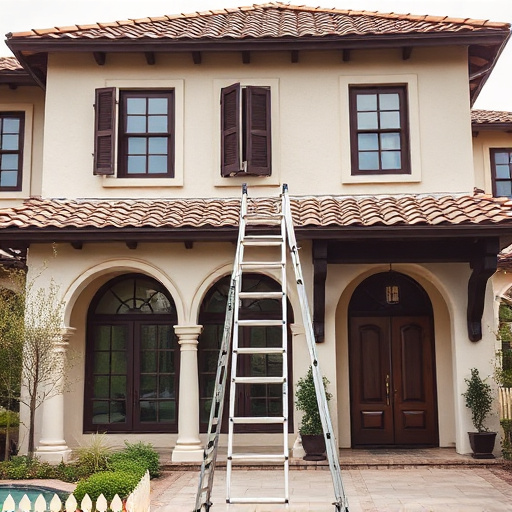
A well-maintained roof is crucial for any Oro Valley home, protecting against the elements, increasing energy efficiency, and enhancing property value. However, identifying warning signs between inspections can be challenging for homeowners. Neglecting regular professional inspections can lead to costly repairs and even home damage. This practical guide, tailored to Oro Valley homes, examines the essential components of a professional roof inspection. We'll explore what to expect, from meticulous assessments of tile and underlayment to comprehensive checks of gutters, scuppers, and drains. By understanding the process, you'll be better equipped to maintain your roof and catch potential issues before they become major problems.
- Identifying Roof Problems: Warning Signs to Look For
- Comprehensive Inspection Process: Step-by-Step Guide
- Documenting Findings: How to Read the Report
- Maintenance Tips: Preventing Future Roof Issues
Identifying Roof Problems: Warning Signs to Look For
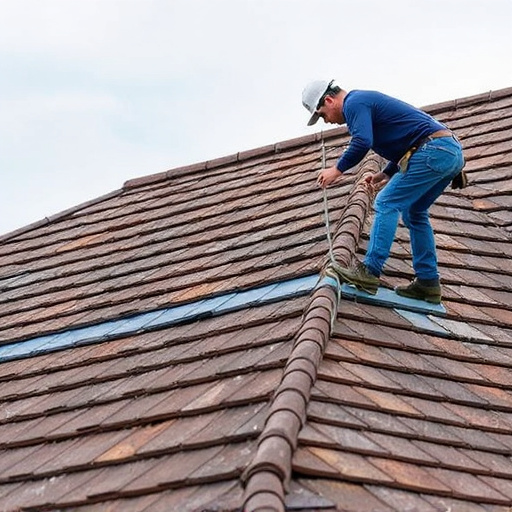
A professional roof inspection is not just a formality; it's a critical process that helps homeowners identify and address potential roof problems before they escalate. In Oro Valley, where varying seasonal conditions can take a toll on roofing systems, staying vigilant is crucial. One of the most effective ways to ensure your roof's longevity is to be on the lookout for warning signs between inspections. These signs can range from subtle visual cues to more noticeable structural issues, all of which a local roofing company serving Oro Valley can help diagnose and rectify.
When assessing a roof, several key areas demand close attention. Roof valleys, where water naturally collects, are prime spots for damage, especially after monsoon seasons. Debris buildup, loose or missing shingles, or rusted flashing can all indicate potential problems. Ridge caps, at the peak of the roof, are equally important to inspect, as they protect the roof from elements and can be vulnerable to wear and tear. Homeowners and property managers should be particularly alert for signs of corrosion, as this can weaken the overall structure.
HOA regulations also play a significant role in roof maintenance. Many communities in Oro Valley have specific guidelines regarding roof inspections and repairs. Ignoring these can lead to disputes or fines. A thorough inspection should include a review of the property's compliance with local building codes and HOA requirements. This can prevent future complications and ensure the longevity of the roof, which is a significant investment for any homeowner. By staying proactive and identifying warning signs between inspections, Oro Valley residents can protect their properties and avoid costly, unexpected repairs.
Comprehensive Inspection Process: Step-by-Step Guide

A professional roof inspection in Oro Valley is a multi-step, detailed evaluation that goes beyond a quick walk-on-the-roof. It's a process designed to uncover potential issues, from subtle signs of wear to structural weaknesses, and provide homeowners with a comprehensive understanding of their roof's health. This step-by-step guide examines what a thorough inspection entails, focusing on the key elements that a roofing contractor serving Oro Valley and Marana will assess.
Starting at the base, inspectors meticulously examine the roof's perimeter, including parapets, to ensure they are secure and free from damage. They then move onto the underlayment, checking for signs of wear, tears, or separation from the shingles. This is crucial, as underlayment matters in protecting the roof structure from water intrusion. For flat and foam roofs, the inspection deepens to assess the coating's integrity, as these finishes demand specific care and maintenance routines.
The next layer involves a close look at the shingles or tiles themselves. This includes checking for missing, damaged, or curled shingles, and inspecting the flashings and penetration points around chimneys and vents for any signs of leaks. With the rise in solar installations, inspectors are also trained to check for compatibility between solar panels and roofing materials, ensuring both work in harmony without compromising the roof's integrity.
Finally, a thorough roof inspection report is generated, detailing all findings, both positive and negative. This report serves as a valuable tool for homeowners, providing clear warnings of potential issues and guiding them on necessary repairs, replacements, or preventive measures. Remember, regular inspections, especially before and after seasonal changes, are key to catching potential problems early, ensuring the longevity of your Oro Valley home's roof.
Documenting Findings: How to Read the Report

When an experienced Oro Valley roof specialist presents your inspection report, they offer more than just a list of findings. The report serves as a roadmap, guiding you through the health and condition of your home's roof. Understanding this document is crucial, as it can highlight warning signs between inspections, pointing out immediate issues and potential future problems.
The report is meticulously documented, detailing every aspect of the roof inspection. It begins with a comprehensive overview, summarizing the overall condition and noting any immediate concerns. Key components are scrutinized, including the structure, underlayment, and parapets, as these are critical areas prone to damage or deterioration. The inspector may note the presence of missing or damaged shingles, which could indicate exposure to harsh weather conditions or poor installation. A moisture meter is often used to check for leaks or moisture intrusion, as these can be early warning signs of structural damage or rot.
One of the most valuable aspects of the report is its detailed analysis of each component. This includes a breakdown of the roofing material, its age, and any signs of wear or tear. The inspector will also assess the condition of the flashing and penetration points, ensuring they are properly sealed and protected from the elements. In areas prone to extreme weather, such as Oro Valley, these checks are essential. The report may also include recommendations for maintenance or repairs, prioritizing issues based on severity and potential impact on the roof's lifespan.
By carefully reviewing the inspection report, homeowners can anticipate potential problems, understand the extent of required repairs, and plan accordingly. If the report indicates an aging roof with signs of wear, a homeowner might choose to schedule a more thorough inspection before the next monsoon season to catch any issues early. This proactive approach not only saves time and money but also ensures the longevity of the roof, protecting the investment in the home.
Maintenance Tips: Preventing Future Roof Issues
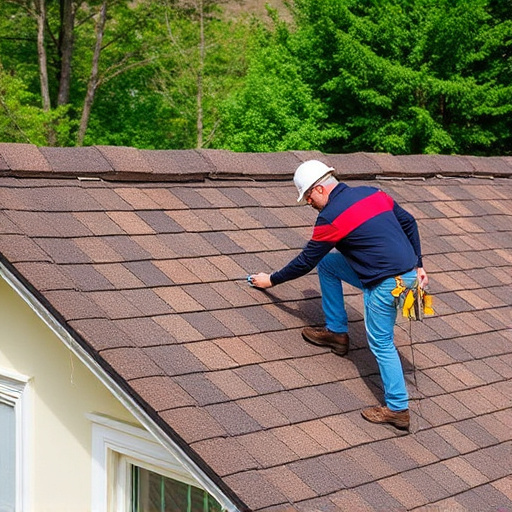
A professional roof inspection is not just a one-time event; it's a continuous process aimed at maintaining the health and longevity of your Oro Valley home's roof. While a thorough inspection is crucial during the initial purchase, it's equally vital to understand what to look for and when to act to prevent future issues. This proactive approach is key to saving you time and money in the long run.
Regular inspections should be part of your seasonal home maintenance routine, especially in areas prone to extreme weather conditions like Oro Valley. A local roofing company serving Oro Valley recommends inspecting your roof before the monsoon season to identify and address potential problems before they escalate. Some warning signs between inspections include missing or damaged shingles, leaks, or discolored spots on the decking. A seasonal home in a desert climate like Oro Valley may require more frequent inspections due to the increased risk of extreme weather events.
One powerful tool in the inspector's arsenal is the infrared camera, which can detect heat anomalies that may indicate underlying problems, such as flashing or underlayment issues. These seasonal inspections also provide an opportunity to check for proper flashing and penetration around chimneys, vents, and roof valleys. By addressing these areas, you prevent water intrusion, which can lead to costly repairs.
Beyond the typical inspection, homeowners should be vigilant about monitoring their roofs, especially after extreme weather events like wildfires or heavy storms. A post-wildfire ash inspection is crucial to check for any signs of damage or ash accumulation that could impact drainage and structural integrity. Similarly, a roof check after a severe storm can help identify missing or damaged shingles, which are often not visible during a regular inspection. Regularly inspecting these areas and taking proactive measures will not only protect your investment but also ensure the safety and comfort of your Oro Valley home.
Frequently Asked Questions About a practical guide to what a professional roof inspection covers on an Oro Valley home
What is the purpose of a professional roof inspection in Oro Valley?
A professional roof inspection in Oro Valley is crucial for assessing the condition and longevity of your home's roofing system. It involves a thorough examination of every component, from the underlayment to the gutters. The goal is to identify potential issues, such as leaks, missing shingles, or structural damage, and provide homeowners with a detailed report for informed decision-making, including whether to repair, replace, or maintain the roof.
What should a professional roof inspector look for during the inspection?
A comprehensive roof inspection includes checking for proper drainage, starting at the gutters and downspouts. Inspectors examine the roof's structure for any signs of rot, mold, or damage to the framing. They inspect the roofing materials for wear and tear, looking for missing, curled, or damaged shingles. They assess the underlayment, flashing, and ventilation systems, ensuring everything is in accordance with manufacturer guidelines and local building codes.
How often should a home in Oro Valley undergo a roof inspection?
The frequency of roof inspections varies based on several factors, including the type of roofing material, local climate, and the home's age. As a general guideline, homeowners in Oro Valley should consider a professional inspection every 2-3 years. However, if you notice any signs of damage or problems, such as leaks, mold, or missing shingles, it's best to schedule an inspection immediately.
What documentation do I receive after a roof inspection?
After a roof inspection, you'll receive a detailed report outlining the findings. This document will include photographs, descriptions of identified issues, and recommendations for repairs or maintenance. The report aims to provide a clear understanding of the roof's condition, helping you make informed decisions about its future care and ensuring any necessary work is carried out by licensed professionals.
Can a professional roof inspection help with insurance claims?
Absolutely. A thorough roof inspection document can be invaluable when filing insurance claims. If your home experiences damage due to weather events or other perils, an inspection report can validate the extent of the damage, aiding in a swift and accurate insurance settlement. It's wise to keep records of regular inspections in case of future claims.
What should I do if a roof inspection reveals damage that needs immediate attention?
If a roof inspection uncovers damage that requires immediate attention, such as significant leaks, structural issues, or widespread shingle damage, it's crucial to contact a licensed Oro Valley roofing contractor immediately. DC Roofing of Arizona, for example, offers emergency services to address these situations promptly, minimizing potential secondary damages and ensuring the safety of your home.
A professional roof inspection is a critical component of home maintenance in Oro Valley, offering valuable insights into your roof's health and longevity. By understanding the key elements of an inspection and the potential warning signs, homeowners can stay proactive in protecting their investment. This article has guided you through the process, from identifying common roof problems to learning how to interpret inspection reports.
The comprehensive inspection process involves a detailed examination of the roof structure, materials, and components, including underlayment, flashing, and gutters. By documenting findings, inspectors provide homeowners with actionable insights, enabling them to address issues before they escalate. Recognizing warning signs between inspections, such as missing shingles or mold growth, can prompt timely repairs, preventing more severe damage.
To addressing immediate concerns, regular inspections contribute to the overall environmental and economic sustainability of your home. Proper maintenance can extend the life of your roof, reducing the need for costly replacements. Many insurance companies in Oro Valley offer discounts for well-maintained properties, making inspections an essential part of your home's risk management strategy.
Moving forward, homeowners should prioritize routine roof checks, especially before and after seasonal changes, after significant weather events, or when noticing any unusual symptoms. By following these practices and leveraging the knowledge gained from this guide, Oro Valley residents can ensure their homes remain protected, enhancing both their living environment and financial security.
A professional Oro Valley roof inspection is crucial for identifying and addressing potential issues before they become costly problems. Key areas to assess include roof valleys, debris buildup, missing or loose shingles, rusted flashing, ridge caps, and compliance with local building codes and HOA regulations. Regular inspections, especially before and after seasonal changes, catch warning signs like leaks, discolored spots, and damaged shingles. Using tools like infrared cameras detects heat anomalies. Proactive maintenance extends the lifespan of your roof, protecting your investment and ensuring your Oro Valley home's safety.