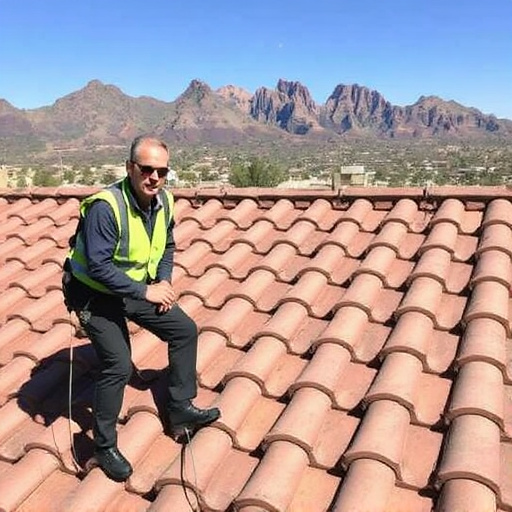
In the arid climate of inspection covers, where monsoon seasons bring both relief and challenges, roof inspections become crucial. As the environment shifts, so do the needs of your home's roof. Neglecting regular checks, especially after significant weather events, can lead to costly repairs. This is particularly true for older roofs, which may require specialized attention. This article provides a practical guide to navigating the complexities of roof inspections before and after monsoon season, focusing on best practices, common issues, and the importance of expert eyes, especially when inspecting older structures. By the end, you'll understand why these seasonal checks are vital for your home's longevity.
- Prepare Your Roof for Monsoon: Early Inspections
- Assessing Damage: Post-Monsoon Roof Checks
- Understanding Wear: Inspecting Older Roofs
- Natural Solutions: Roof Maintenance Tips
Prepare Your Roof for Monsoon: Early Inspections
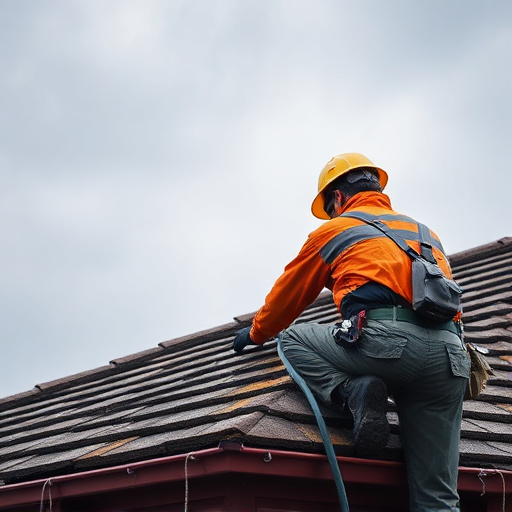
As the monsoon season approaches, preparing your roof for the potential challenges it brings is crucial. Early inspections are key to identifying and addressing any issues, especially for older roofs that may require extra attention. In Oro Valley, where weather patterns can vary, a proactive approach to roof maintenance can save you from costly repairs later.
One of the primary concerns during these seasons is ponding water. This occurs when rainwater collects on low areas of your roof, leading to potential damage over time. In areas like Rancho Vistoso, where homes often have flat or foam roofs, proper drainage is essential. Inspecting older roofs naturally involves checking for blocked scuppers and gutters, as these are vital components in directing water away from your property. Regular maintenance ensures that scuppers, those decorative openings that allow water to flow off your roof, remain clear and functional. A local roofing company serving Oro Valley can provide expert advice on the best drainage solutions for your specific roof type.
During your pre-monsoon inspection, pay close attention to the underlayment and flashing. These are the layers that protect your roof from water intrusion. Over time, older roofs may need replacement or repair in these areas, especially if there are signs of wear and tear. An infrared roof inspection can also be beneficial, as it can detect heat anomalies that may indicate moisture problems or leaks. This non-invasive method is a valuable tool for homeowners and can often be done as a complementary service by a qualified roofer. By addressing these elements early, you can mitigate the risk of more severe damage from monsoon weather, ensuring your home remains protected throughout the season.
Assessing Damage: Post-Monsoon Roof Checks
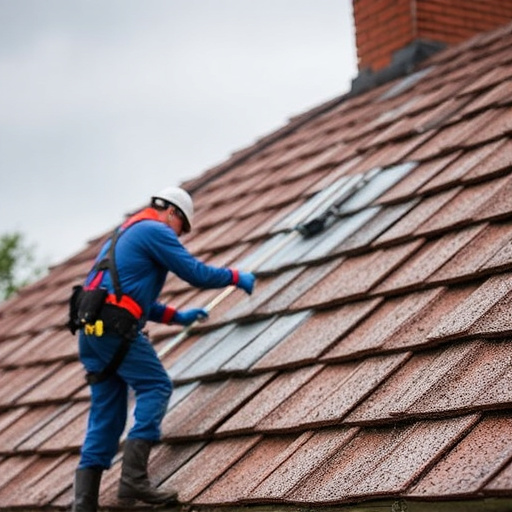
Post-Monsoon Roof Assessments: Protecting Your Home's Safest Asset
As the monsoon season winds down, it's crucial to turn your attention to your home's most critical component-the roof. In areas like Oro Valley, where extreme weather conditions can vary wildly, a thorough post-monsoon roof check becomes an essential part of home maintenance. This is especially true for older roofs, which require meticulous care to ensure their longevity. A licensed Oro Valley area roofing contractor often recommends inspecting your roof after monsoon season to identify potential damage and ensure it's in optimal condition.
When assessing an older roof, start by visually inspecting the ridge caps and roof valleys. These areas are particularly vulnerable to damage from strong winds and heavy rainfall. Look for cracks, missing shingles, or any signs of water intrusion. Also, check the underlayment, as it matters in protecting the roof from leaks. Look for signs of wear and tear, and ensure there's a protective layer between the shingles and the deck. Monsoon season can bring unexpected storms, and an older roof might have developed weak spots that need immediate attention.
During your post-monsoon roof check, pay close attention to the roof's flashings and penetrations. These areas, where the roof meets walls, chimneys, or vents, are common points of vulnerability. Inspect for proper sealing and ensure that the flashing is in good condition. Gutters, scuppers, and drains also deserve your scrutiny. Clogged or damaged systems can lead to water damage, so ensure they are clean and in working order. Consider using advanced technologies like infrared thermal imaging to detect hidden moisture issues or heat loss, which can be invaluable when inspecting older roofs.
Understanding Wear: Inspecting Older Roofs
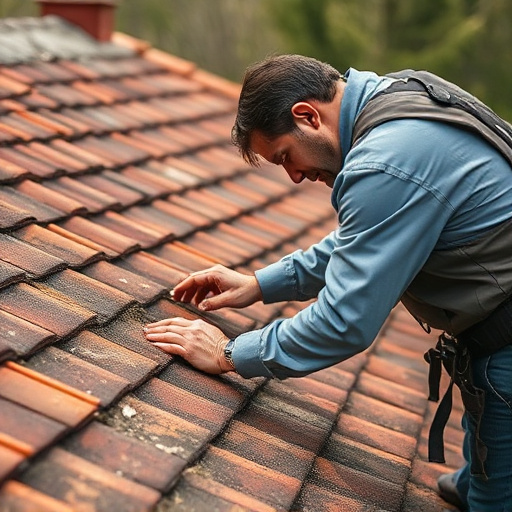
As the monsoon season approaches, homeowners in Oro Valley must pay close attention to their property's most critical component: the roof. This is especially true for older roofs, which, over time, accrue wear and tear that can be difficult to spot. A licensed Oro Valley area roofing contractor recommends a thorough inspection to ensure your roof is in top condition.
Inspecting older roofs naturally involves looking beyond the visible. The process includes a meticulous examination of the underlayment, where damage from sunlight, extreme temperatures, and wind can manifest. Look for loose or missing shingles, which can expose the underlayment to the elements. Also, check the ridge caps, which often bear the brunt of wind and sun damage, leading to leaks over time. Drone photos can aid in this process, offering a detailed, bird's-eye view of the entire roof, allowing for a more comprehensive assessment.
A key aspect of a seasonal home roof inspection is the evaluation of flashing and penetration points. These areas, where the roof meets walls, chimneys, and vents, are vulnerable to damage during monsoons. Water intrusion at these points can cause extensive interior damage and accelerate the aging process of your roof. A qualified inspector will ensure these areas are sealed properly, preventing water from seeping in.
Older roofs often require special attention to attic checks. The attic is a crucial space for insulation and ventilation, and issues here can lead to structural problems. Inspecting the attic for signs of water damage, mold growth, or inadequate ventilation is essential. Regular, seasonal inspections, especially before and after monsoon season, can help identify these issues early, saving you from costly repairs and ensuring your home remains a safe, comfortable haven.
Natural Solutions: Roof Maintenance Tips
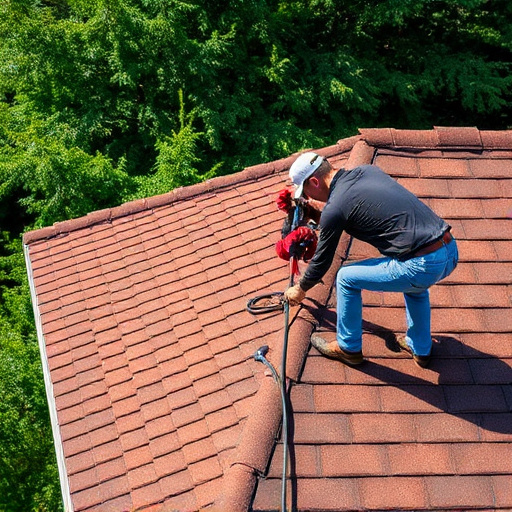
As the monsoon season approaches, homeowners in Oro Valley face a crucial task: preparing their roofs for the potential damage that comes with heavy rainfall and strong winds. This is especially important for older roofs, which may require extra care and attention. Inspecting older roofs naturally is a proactive step that can help you avoid costly repairs later. A roofer with an Arizona ROC license recommends a comprehensive pre-monsoon inspection to identify vulnerabilities and plan for maintenance.
Focus on the subtle signs of wear and tear that can be missed during a cursory check. Look for damaged or missing shingles, especially in areas exposed to direct sunlight or harsh winds. Check the valleys of your roof-where water gathers-for clogs or debris that could lead to leaks. Flashing, a critical component often overlooked, should be examined for rust or signs of deterioration. These areas are particularly prone to damage during monsoon storms, so ensuring their integrity is vital. A close inspection might reveal flashing that has become detached or no longer seals effectively, allowing water to penetrate and cause further damage.
Beyond the physical inspection, consider the structural components, such as the underlayment and attic checks. Older roofs may exhibit signs of wear in these areas, which can lead to increased vulnerability to the elements. A detailed report from your inspection should include a section on the condition of these elements. This proactive approach will not only help you maintain the integrity of your roof but also serve as valuable documentation for insurance purposes during the monsoon season. Remember, early detection is key to preventing significant, and often costly, repairs.
Frequently Asked Questions About seasonal advice on roof inspections before and after monsoon season
What is the best time to inspect my roof before monsoon season?
Before monsoon season, inspect your roof for any visible signs of damage or wear. Choose a calm day when conditions are dry and safe. Conduct a thorough visual check, looking for missing or damaged shingles, flashing issues, and general structural integrity. This proactive step ensures any issues are addressed before heavy rains and strong winds can exacerbate them.
How often should I perform a post-monsoon roof inspection?
Post-monsoon, a detailed inspection is crucial. Assess the impact of the season's weather, focusing on areas prone to damage like valleys and edges. Look for water stains, leaks, or signs of structural compromise. Regular, annual inspections, especially after extreme weather events, are recommended to maintain your roof's longevity.
What should I look for during a monsoon roof inspection?
Focus on areas most susceptible to damage: flashing around vents and chimneys, gutters and downspouts, and the roof's edges. Look for loose or missing shingles, cracks in the fascia, and water pooling or stains. Also, check for signs of mold or mildew growth, as moisture buildup can lead to these issues. Documenting any findings before repairs begin is valuable for insurance claims.
Are there any specific safety precautions for performing a roof inspection during monsoon season?
Safety is paramount. Avoid inspecting your roof during active storms. When conditions permit, wear appropriate safety gear: a hard hat, gloves, and sturdy shoes. Use a ladder only if necessary, and have someone spot you. Never walk on a wet roof, as it can be extremely slippery. If you're unsure, consult a professional roofing contractor.
What should I do if I find damage during a monsoon inspection?
If you discover damage, document it with photos and notes. Contact a licensed roofing contractor immediately for an assessment and temporary repairs if needed to prevent further damage. Prioritizing prompt action ensures your home is protected during the next storm event.
Can I handle minor monsoon-related roof repairs myself, or should I hire a professional?
For minor repairs, like replacing a few shingles, DIY is possible. However, for significant damage, including leaks, structural issues, or extensive wind damage, a licensed roofing contractor is essential. Their expertise ensures repairs are done correctly, preventing future problems.
As monsoon season approaches, it's crucial for Oro Valley homeowners to understand the key aspects of roof inspections. By proactively preparing your roof and conducting thorough post-monsoon assessments, you can mitigate damage, extend your roof's lifespan, and ensure the structural integrity of your home. When inspecting older roofs, focus on signs of wear and tear, as these structures may require additional attention. Incorporating natural solutions into your maintenance routine can further enhance the longevity of your roof. Regular, seasonal inspections are an essential part of responsible homeownership, enabling you to address issues early on and avoid costly repairs. Remember, a well-maintained roof not only protects your home but also contributes to its overall value.
As monsoon season nears, homeowners in Oro Valley should focus on inspecting older roofs naturally. This involves checking for blocked scuppers and gutters, examining the underlayment and flashing for wear and tear, and looking for damage in ridge caps and roof valleys. Regular, seasonal inspections can detect vulnerabilities, saving you from costly repairs. Use drone photos for a comprehensive view, and consider infrared roof inspections for hidden moisture issues. Documenting these checks is valuable for insurance and ensuring your home's most critical asset-the roof-remains protected.