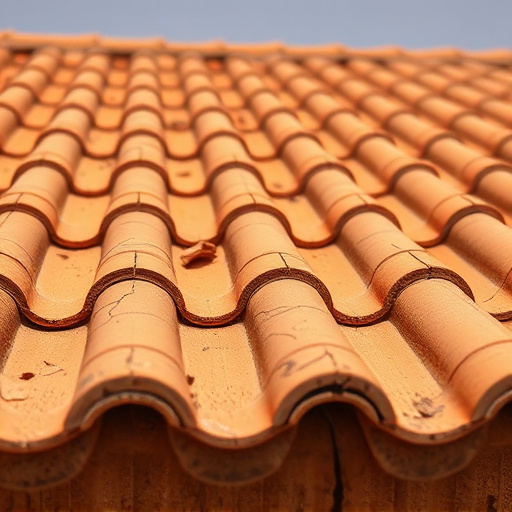
Roofing is a crucial component of any Oro Valley home's value and longevity. A professional roof inspection, often overlooked, offers homeowners invaluable insights into their property's health. This guide aims to demystify the process and provide a practical understanding of what a comprehensive roof inspection covers, ensuring Oro Valley residents make informed decisions. By examining expert inspections, we reveal the key aspects-from underlayment to attic checks-that protect homes from potential issues, whether it's a pre-monsoon check, post-hail repair, or a necessary inspection before listing. Discover how these expert evaluations safeguard your investment and maintain the integrity of your Oro Valley home's roof.
- Assessing Roof's Structural Integrity
- Examining Material Quality and Condition
- Identifying Potential Water Damage
- Recommending Maintenance and Repairs
Assessing Roof's Structural Integrity
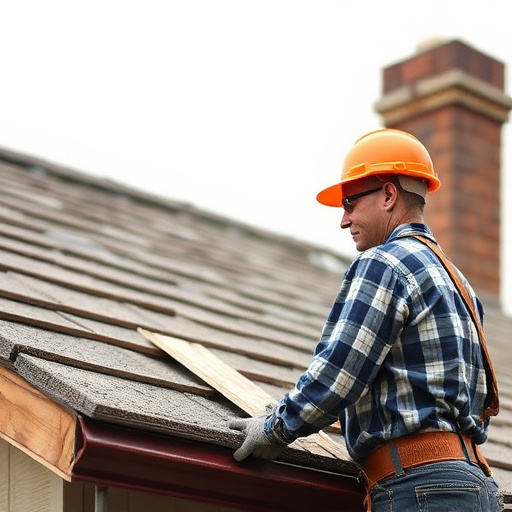
When assessing the structural integrity of a roof during an inspection in Oro Valley, a licensed Arizona roofer uses a comprehensive approach. They begin by examining the overall condition of the roofing materials, looking for signs of wear and tear, such as missing or damaged shingles, holes, or cracks. This visual assessment is crucial as it provides immediate insights into the roof's health. A close inspection might reveal a loose ridge cap, which, if left unattended, could lead to further damage from weather exposure.
A key tool in their toolkit is the moisture meter, a device that detects moisture levels. Moisture is a silent enemy of roofs, often indicating leaks or poor ventilation. The inspector will use this meter to check for any signs of water intrusion, especially in areas prone to leaks, like valleys and around chimneys. An infrared camera is another valuable asset, helping to uncover hidden problems, such as missing or damaged underlayment or water pooling behind the roof tiles. These tools allow the inspector to go beyond what the eye can see, ensuring a thorough evaluation.
The roofer will check the condition of the roof's structure, including the trusses, beams, and supporting elements. They look for signs of rot, corrosion, or structural weakness, which could compromise the roof's integrity. Ridge caps and flashings are also given close attention. These components play a vital role in sealing the roof, preventing water from infiltrating. A professional inspection will also include a review of the attic space to ensure proper ventilation, which is essential for maintaining the roof's structural integrity and longevity, especially in Oro Valley's unique climate conditions.
Examining Material Quality and Condition

When conducting a comprehensive roof inspection in Oro Valley, examining the material quality and condition is a critical component. This involves assessing the integrity, durability, and overall health of the roofing system, which is particularly important given the region's unique climate, including occasional monsoon seasons and occasional extreme weather events like wildfires and ponding. A local roofing company serving Oro Valley will look for signs of wear and tear, especially in areas prone to intense sun exposure, high winds, and fluctuating temperatures.
The inspection starts with a close look at the roofing material itself. This includes tile, metal, or flat/foam roofs, each requiring specific considerations. Tile roofs, common in Oro Valley, should be inspected for loose or damaged tiles, as well as proper sealing and flashing around penetrations like chimneys and vents. The roofer will also check the underlayment, looking for signs of water damage, mold, or deterioration. In areas like the Catalina Foothills, where ponding can occur, adequate drainage and flashing are crucial to preventing long-term damage.
The inspector will scrutinize the overall structure for signs of weakness or instability, such as warped or bent trusses or loose shingles. They'll also inspect the attic for proper ventilation and evidence of previous water damage, as this can indicate larger problems with the roof's integrity. With the frequency of insurance renewals in Oro Valley, understanding these potential issues is vital for homeowners, as a thorough inspection can help prevent costly surprises and ensure a smooth claims process.
Identifying Potential Water Damage
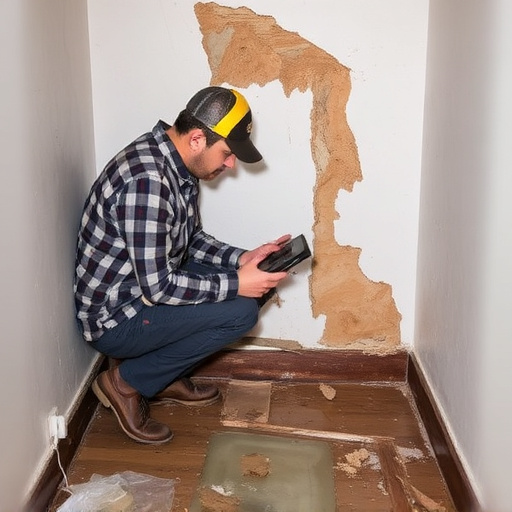
Identifying potential water damage is a crucial aspect of what a professional roof inspection covers in Oro Valley. During a thorough inspection, a roofer with an Arizona ROC license will closely examine the roof for any signs of weakness or damage that could lead to leaks. One of the primary concerns is ponding, or the accumulation of water on the roof surface, which can occur due to poor drainage, damaged gutters, or misaligned shingles.
Drone photos have become an invaluable tool in modern roof inspections. From the air, drones can capture detailed images of the entire roof, making it easier to spot issues like missing or damaged shingles, flashing that's not properly sealed, or ponding areas that might be missed from ground level. This technology allows inspectors to provide HOA boards and homeowners with a comprehensive overview of the roof's condition, enabling informed decisions about necessary repairs or replacements.
To visual inspections, a professional will also check for proper ventilation in the attic space, ensuring there's enough air flow to prevent excessive heat build-up and humidity. Poor ventilation can contribute to wood rot and mold growth, which are not only damaging to the roof structure but can also pose significant health risks to homeowners. The inspector will examine the underlayment and look for signs of water intrusion, as these issues can often be the root cause of serious water damage.
By addressing these aspects during a seasonal home inspection or a pre-monsoon check, Oro Valley residents can protect their investment and avoid costly repairs down the line. A thorough inspection report will detail any findings, including photographs and explanations of potential problems, allowing homeowners to make informed choices about the best course of action. If the inspection reveals flashing that needs replacement or gutters that are in need of repair, a qualified roofer can provide estimates and perform the necessary work to ensure the roof remains in good condition.
Recommending Maintenance and Repairs
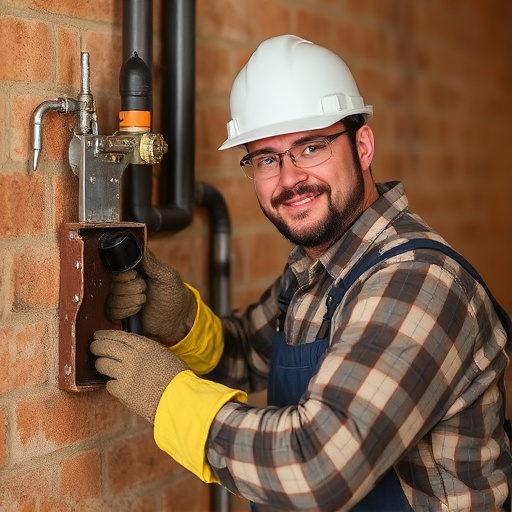
When a professional roof inspection is conducted in Oro Valley, the goal isn't simply to identify issues, but to provide a comprehensive report that recommends actionable maintenance and repairs. This crucial step ensures that minor problems don't escalate into major, costlier damages. A well-crafted inspection report, backed by a roofer with an Arizona ROC license, becomes a roadmap for homeowners and property managers.
The inspection report will detail any repairs needed, prioritizing based on urgency and severity. A Sun City Oro Valley roofer might note that while the underlayment is in good condition, the tile roof shows signs of aging and requires replacement within the next few years. The report could also highlight less critical issues, such as loose shingles or damaged gutters, which still need attention but aren't immediate concerns. This proactive approach, encouraged by the Oro Valley Roof Inspectors Association and the Local Building Code, ensures that the roof remains a protective barrier, not just during the monsoon season but all year round.
Regular maintenance, as recommended in the inspection report, is key to extending the lifespan of your roof. This includes inspecting the underlayment, especially in areas with high winds or extreme temperatures, as seen in the environmental impact assessments for the region. The report might also suggest specific repairs for flashing and penetration checks, crucial for preventing water damage around chimneys, vents, and other fixtures. For older roofs, the report could recommend a complete roof certification to ensure they meet the latest building codes for metal roofs, as outlined by the Arizona Department of Housing.
In the event of a failed inspection, the roofer will discuss next steps with the homeowner, ensuring that any issues are addressed promptly. This could involve scheduling a re-inspection, providing estimates for repairs, or explaining the options for roof replacement, especially for homes over 25 years old. The goal is always to ensure the roof's integrity and, by extension, the safety and comfort of those within the home. For homeowners, understanding what a roof inspection covers and acting on the recommendations is an essential part of maintaining a valuable investment-a home-in Oro Valley.
Frequently Asked Questions About a practical guide to what a professional roof inspection covers on an Oro Valley home
What is the purpose of a professional roof inspection in Oro Valley? A comprehensive roof inspection by a licensed Oro Valley area roofing contractor, like DC Roofing of Arizona, aims to assess the overall condition of your home's roof. It identifies potential issues, from minor leaks and damaged shingles to structural weaknesses, enabling homeowners to schedule necessary repairs or replacements promptly, protecting their investment, and ensuring the longevity of their roof.
How often should I get my roof inspected? While there's no one-size-fits-all answer, most roofing contractors recommend a thorough inspection every two to three years. This timeline may vary based on your home's age, local weather conditions, and the quality of your roof's initial installation. Severe storms or unexpected changes in your roof's performance can also warrant an immediate inspection.
What does a professional roof inspection involve? During an inspection, a qualified roofer will climb up to your roof (using safe, professional techniques) and perform a meticulous examination. They'll look for loose or missing shingles, signs of water damage, proper drainage, flashing condition, and structural integrity. The inspector will also check the roof's underlayment, gutters, and vents, documenting any findings for a detailed report.
Can I perform a roof inspection myself? While DIY inspections are possible for minor checks, a thorough professional inspection is not something homeowners should attempt independently. Roofs are often inaccessible and pose safety risks. A licensed contractor has the expertise, equipment, and training to thoroughly assess your roof, ensuring all issues are identified, regardless of how hidden or difficult to access.
What should I do if the inspection reveals damage to my roof? Upon identifying damage, your roofing contractor will provide a detailed estimate for repairs or replacement. They'll discuss options, helping you make an informed decision. Prompt action is crucial, as unrepaired damage can lead to more severe and costly problems, such as interior leaks, mold growth, and structural compromise.
How can I choose a reputable roofing contractor in Oro Valley? Research is key. Start with licensed, insured, and locally established roofing companies. Online reviews, client testimonials, and references can provide insights into a contractor's reliability and quality of work. Ensure they have the proper licenses (ROC number) and ask for examples of their past projects.
A comprehensive roof inspection in Oro Valley goes beyond a superficial look. It involves a thorough assessment of the roof's structural integrity, scrutinizing materials for wear and tear, and identifying potential water damage. By examining these areas, professionals can recommend tailored maintenance and repairs, ensuring your Oro Valley home remains protected against the elements. This process is crucial, especially in a region like Oro Valley, where varying seasonal conditions can place significant stress on roofs. Understanding what a roof inspection covers allows homeowners to stay proactive, mitigate risks, and make informed decisions regarding their property's most vital defense against weather and time. Next steps include scheduling regular inspections, especially before monsoon seasons and after potential storms, and addressing any issues promptly to maintain the home's value and safety.
A comprehensive Oro Valley roof inspection by a licensed Arizona roofer involves:
- Visual assessment for wear and tear, including loose or damaged shingles, ridges, and underlayment.
- Moisture and infrared camera use to detect hidden water damage, leaks, and structural weaknesses.
- Structure, trusses, beams and supporting elements inspection for rot, corrosion, or weakness.
- Attic ventilation review to maintain roof integrity and longevity in Oro Valley's unique climate.
Key insights:
- Regular, thorough inspections are crucial for identifying minor issues before they become major, costlier problems.
- Drone photos provide detailed aerial views, aiding in spotting missing or damaged shingles, flashing, and ponding areas.
- A well-crafted inspection report recommends actionable maintenance and repairs, extending the roof's lifespan.
- Repairs, maintenance, and re-inspections based on the report's recommendations ensure roof integrity and safety.