In the Oro Valley area, a roof is more than just a protective barrier; it's a crucial component of your home's value, energy efficiency, and safety. Understanding a roof inspection report is essential for every homeowner, especially when navigating post-hail, pre-monsoon, or post-wildfire conditions. These reports and their accompanying photos serve as a detailed attic check for roof problems, providing insights into the health of your roof and guiding repairs or replacements. This article will demystify the process, explaining how to read a roof inspection report, from identifying damage to understanding the recommendations, to ensure your roof is in top condition year-round.
- Understanding Roof Inspection Reports: Key Components
- Analyzing Roof Photos: Visual Clues for Attics
- Identifying Common Roof Problems: Attic Checks
- Using Reports for Effective Roof Maintenance
Understanding Roof Inspection Reports: Key Components

A roof inspection report is your building's health record, providing a detailed snapshot of its current state. Understanding this report is crucial, especially when understanding home ownership, especially in Oro Valley, where diverse roofing types and weather patterns demand tailored care. This document, accompanied by high-quality photos, serves as a practical guide for homeowners, real estate agents, and even insurance companies, highlighting potential issues and areas requiring attention.
Reading a roof inspection report involves scrutinizing several key components. Firstly, look for detailed descriptions of the roof's age, material, and overall condition. A licensed Oro Valley area roofing contractor may note the integrity of the underlayment, flashing, and penetrations, all vital aspects often overlooked by the untrained eye. The report should also include a section on attic checks for roof problems, as these hidden areas can be breeding grounds for issues like mold, rot, or inadequate ventilation, which are often revealed through infrared imaging. Here, the inspector's expertise becomes evident, as they can spot subtle signs of distress that might otherwise go unnoticed.
Another critical aspect is the section on repairs and recommendations. This is where the report becomes actionable, guiding decisions for both homeowners and HOA boards. If the inspection uncovers damage from recent hailstorms or microbursts, the report should suggest appropriate repairs, such as replacing missing or damaged shingles, re-sealing flashing, or reinforcing the roof structure. In Canada Hills, where severe weather events are not uncommon, a thorough inspection report can be a homeowner's best defense against costly, avoidable damage.
The report may include certifications and compliance details, ensuring the roof meets local building codes and regulations. This is particularly important when listing a home or applying for insurance, as many Oro Valley insurers require up-to-date, certified roof inspections, especially in light of the area's unique environmental considerations. A roof inspection for a vacation rental property might highlight the need for extra-strong, weather-resistant materials or specific flashing configurations to protect against the increased exposure to harsh elements during periods of vacancy.
Analyzing Roof Photos: Visual Clues for Attics
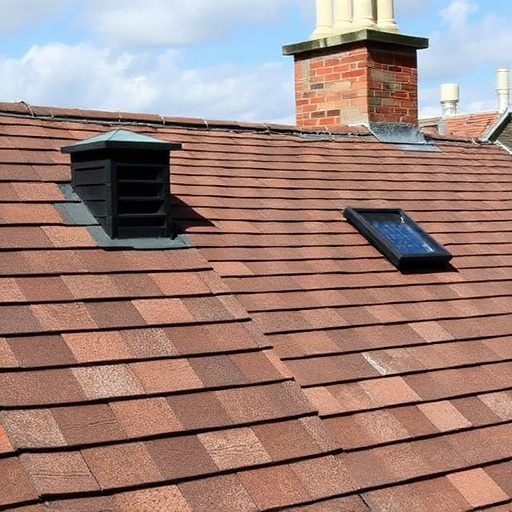
When reviewing a roof inspection report, the photos are a critical component. They offer a visual perspective that complements the written narrative. In this section, we'll focus on attic checks for roof problems, as seen through the lens of a skilled inspector.
Roof inspectors often use infrared cameras to detect heat anomalies, which can point to issues like poor ventilation, water intrusion, or damaged underlayment. A warm patch in an attic could indicate a leak or poor insulation. Similarly, scuppers and drains, essential for water runoff, should be free from debris and in good condition. Inflatable or foam coatings, used for energy efficiency, can be examined for proper installation and signs of wear and tear.
Attic photos can reveal structural damage, missing or damaged shingles, or evidence of previous repairs. Look for dark or discolored spots, which might suggest mold growth, a common consequence of water infiltration. A licensed Arizona roofer will also check for proper flashing and penetration sealants, ensuring they are securely in place to prevent leaks. By analyzing these visual cues, inspectors can identify potential problems that may not be readily apparent during a walk-on inspection.
The report should include detailed notes on each photo, explaining the observed conditions. Homeowners and buyers should scrutinize these notes, as they provide valuable insights into the roof's health and any necessary repairs. Regular attic checks, especially before and after monsoon seasons, can help catch issues early, preventing more severe damage and costly repairs.
Identifying Common Roof Problems: Attic Checks
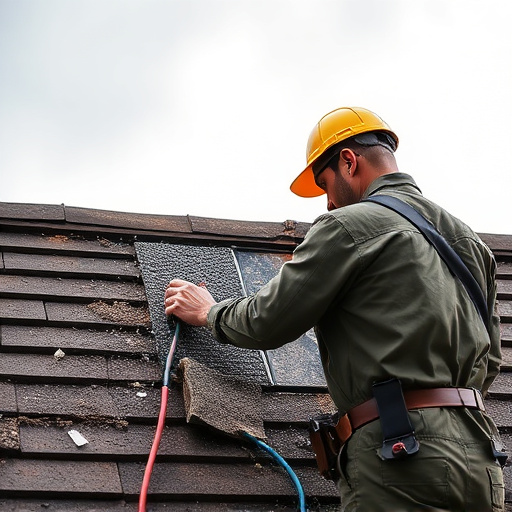
When reviewing a roof inspection report, a crucial aspect to focus on is the attic checks for roof problems. The attic acts as a critical point of inspection, as it provides direct access to the underlayment, insulation, and ventilation-all of which can signal potential issues with the overall roof structure. A thorough inspection should include detailed notes on these elements, often accompanied by drone photos or images taken directly from the attic space.
Attic checks are essential for several reasons. Inadequate ventilation can lead to excessive heat buildup, causing shingles to deteriorate faster. Insulation problems can result in energy loss, increasing utility costs for homeowners. The underlayment-a crucial barrier against water intrusion-should be examined for any signs of damage, decay, or separation from the roof deck. A licensed Oro Valley area roofing contractor often looks for telltale signs of moisture, mold, or fungus growth, which can indicate leaks or poor ventilation.
In the context of monsoon season, attic checks become even more critical. Heavy rainfall and strong winds can cause water to seep into the attic, leading to structural damage if left unaddressed. Monsoon-related inspections should focus on the integrity of the roof's flashing, which prevents water from penetrating at joints and corners. Drone photos taken after these storms can help document any damage for insurance claims or as part of a post-storm inspection report.
If attic checks reveal problems, the report should detail the findings with clear photographs and concise explanations. Homeowners should understand these reports to make informed decisions. If the inspection uncovers inadequate insulation, the report might suggest re-insulating the attic to improve energy efficiency and roof longevity. Regular seasonal inspections, including pre-monsoon checks, can help catch these issues early, preventing more severe and costly damage down the line.
Using Reports for Effective Roof Maintenance

Reading a roof inspection report and its photos is crucial for homeowners, especially those in areas like Oro Valley's Canada Hills, where extreme weather events, including hailstorms, are not uncommon. An experienced Oro Valley roof specialist can provide detailed insights into the condition of your roof, highlighting potential issues that might be missed by untrained eyes. This process involves a thorough analysis of the report and accompanying visuals, which can serve as a powerful tool for effective roof maintenance.
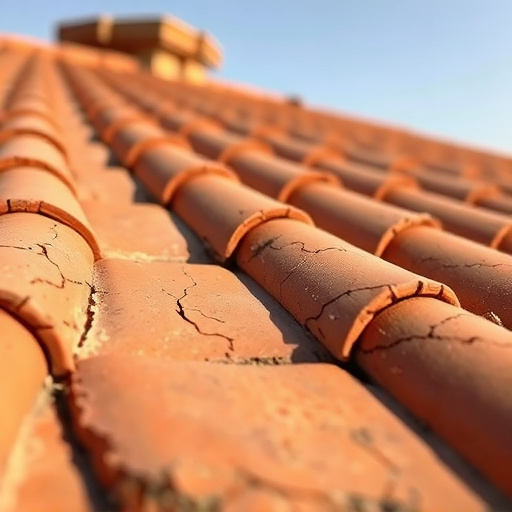
The report should include a comprehensive assessment of the roof's various components, such as tiles, underlayment, flashing, and gutters. It will detail any cracked or missing tiles, which are common signs of hail damage in our region. The inspector will also look for signs of ponding, where water accumulates on the roof surface, as this can lead to structural issues over time. In areas prone to microbursts, like Canada Hills, these inspections become even more critical as they can quickly cause significant damage to tile, foam, and shingle roofs.
Upon receiving the report, homeowners should look for specific sections dedicated to attic checks for roof problems. These checks are essential as they uncover potential issues that might be hidden from view. An attic inspection might reveal inadequate ventilation, leading to excessive heat buildup and potentially causing damage to the roof structure. The report should include clear photos illustrating these findings, making it easier to understand the scope of the problem. By regularly reviewing these documents, homeowners can stay proactive about roof maintenance and avoid costly repairs.
Frequently Asked Questions About an explainer on reading a roof inspection report and its photos
What is the purpose of a roof inspection report and photos?
A roof inspection report and accompanying photos serve as a detailed record of your roof's condition. They help you, your insurance provider, and contractors understand the state of your roof, identifying existing damage, potential issues, and areas requiring repair or replacement. This documentation is crucial for insurance claims, maintenance planning, and ensuring the longevity of your roof.
How should I read and interpret the report?
Read the report thoroughly, paying close attention to the description of each issue. The report should include clear, labeled photos that illustrate the problems. Look for specific details like the type of damage (e.g., missing shingles, cracked tiles), its location, and the estimated severity. Cross-referencing the text with the photos will provide a comprehensive understanding of the report's findings.
What do I look for in the photos?
Focus on the clarity and detail of the photos. Look for distinct images of the damaged areas, zooming in on areas of concern. Identify the extent of the damage-are there missing components, cracks, or signs of water intrusion? Compare these with the report's description to ensure the visual representation aligns with the written findings.
Who prepares the report and photos?
A licensed and experienced roofing contractor, such as DC Roofing of Arizona, is responsible for preparing the roof inspection report and photos. They conduct a thorough examination of your roof, document the findings, and provide a detailed written report along with the supporting visuals.
Can I understand the report without roofing expertise?
While the report may contain technical terms, most sections can be understood by laypeople. The key lies in understanding the context and the descriptions provided. However, for complex issues or if you're unsure, consulting a roofing professional or asking questions during the inspection process ensures clarity.
How often should I have a roof inspection?
It's recommended to have a professional roof inspection at least once every three years, or more frequently if your roof is older or has shown signs of damage. Regular inspections are vital for early detection of issues, ensuring timely repairs, and preventing more severe and costly problems.
Reading a roof inspection report and its accompanying photos is a crucial step in understanding and maintaining your home's most vital protection. By analyzing the report and visual cues, homeowners can gain invaluable insights into their roof's health. Key components like detailed assessments, expert observations, and actionable recommendations empower you to address potential issues, from minor repairs to significant structural concerns.
Attic checks play a critical role in these inspections, as they reveal critical information about your roof's underlayment, flashing, and ventilation-all crucial for protecting against leaks, mold, and rot. By identifying common roof problems early, you can prevent costly repairs and ensure your home's longevity.
In the event of a failed inspection, these reports serve as a roadmap for the next steps, guiding you and your contractor through the process of repairs, replacements, or renovations. A thorough understanding of your roof inspection report equips you to make informed decisions, ensuring your Oro Valley home is protected against the elements and any unforeseen challenges.
A roof inspection report, detailed and accompanied by photos, is crucial for Oro Valley homeowners, providing insights into the roof's health and guiding decisions on repairs and maintenance. Key components include age and material descriptions, attic checks for hidden problems, and repair/recommendation sections. Regular inspections, especially pre-monsoon, help catch issues like inadequate ventilation, water damage, or missing shingles, preventing costly damage. The report's photos, combined with expert notes, offer valuable visual evidence for homeowners and insurance companies.