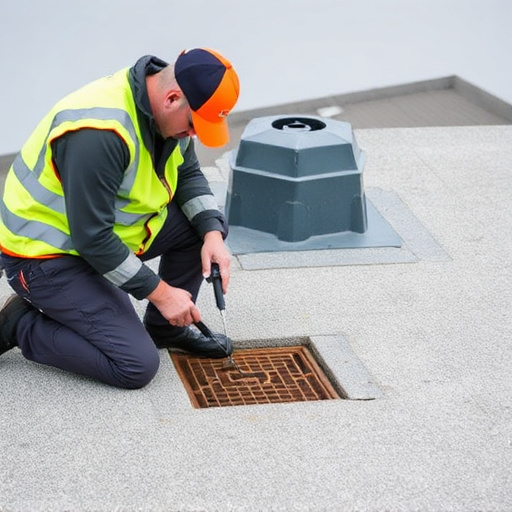
Roof problems can lurk unseen, developing between regular inspections. For homeowners in inspection covers, like Oro Valley, this poses a significant risk. Regular roof inspections are crucial, but even the most thorough on-roof checks can miss issues. With ever-changing building codes and advancements in roofing technologies, a proactive approach is necessary. This comprehensive homeowner checklist equips you to identify potential problems, even between professional inspections, and aids in making informed decisions about your roof's health. We'll explore what to look for, including signs of wear, damage from extreme weather, and code violations, and provide insights on when a drone inspection might be the best option compared to traditional on-roof assessments.
- Regular Visual Checks: Spotting Early Signs
- Drone vs. On-Roof: Advantages and Limitations
- Common Roof Problems: What to Look For
- Maintenance and Record-Keeping: Proactive Approach
Regular Visual Checks: Spotting Early Signs

Regular visual inspections are a crucial part of maintaining your home, especially in the dynamic climate of the Catalina Foothills, where seasonal changes can bring unique challenges. Between professional inspections, homeowners can play a vital role in identifying potential roof issues early on. This proactive approach can save you from costly repairs and ensure your home's value.
One effective method to augment traditional on-roof inspections is incorporating drone technology. Drones equipped with high-resolution cameras can capture detailed aerial images of your roof, allowing for a comprehensive view that may reveal problems not readily visible from the ground. Look for signs like missing or damaged shingles, leaks, or areas of excessive wear. During the monsoon season, powerful winds and heavy rainfall can accelerate roof damage, so regular checks are essential.
To visual checks, homeowners should pay close attention to the following: the condition of gutters, scuppers, and drains, which are crucial for directing water away from your roof; signs of moisture or mold in the attic, which could indicate leaks; and any changes in the performance of your HVAC system, which might be linked to roof problems. By conducting these regular visual inspections, you can catch potential issues early, ensuring peace of mind and a more seamless home sale. Remember, early detection is key, and with the right tools and knowledge, you can keep your Catalina Foothills home in top condition.
Consider partnering with a local expert like DC Roofing of Arizona for comprehensive guidance on roof maintenance and inspection. They can offer insights tailored to your specific roof type and local conditions, ensuring your home is protected throughout all seasons, including the upcoming monsoon.
Drone vs. On-Roof: Advantages and Limitations

For roof inspections, there are two primary methods: traditional on-roof assessments and the increasingly popular drone-based approach. Each has its advantages and limitations, and understanding these differences can help homeowners spot potential issues between inspections. A local roofing company serving Oro Valley, for instance, may favor one method over the other based on client needs and roof types.
Drone inspections offer a bird's-eye view of the entire roof, allowing for a swift and comprehensive assessment. They are ideal for large, complex roofs with many valleys and hard-to-reach areas. Drones can capture high-resolution images and even perform thermal scans to detect issues like poor ventilation or underlayment damage. However, drone inspections may not always replace a detailed on-roof examination, especially for older or damaged roofs. Some limitations include the potential for data misinterpretation, legal restrictions in certain areas, and the need for clear weather conditions.
On-roof inspections are the traditional, hands-on method involving a certified inspector. They are beneficial for detailed analysis, especially in areas with unique roof designs or recent renovations. Inspectors can physically examine components like scuppers, gutters, and flashing, ensuring proper installation and functionality. However, this method is time-consuming and may not be feasible for vacation rental properties or homes with significant tree coverage. An on-roof inspection also requires good weather conditions and access to all areas of the roof, which can be challenging for flat or foam roofs.
Between inspections, homeowners can take proactive steps. Regular visual checks for signs of damage, such as missing shingles or water stains in the attic, can be crucial. Keep an eye out for blocked scuppers and gutters, which can lead to water damage and roof decay. If you notice any red flags, a detailed inspection by a professional, whether via drone or traditional methods, may be warranted. This proactive approach, coupled with knowledge of the local building codes and requirements, ensures your Oro Valley home's roof remains in top condition.
Common Roof Problems: What to Look For

Homeowners often overlook the importance of regular roof maintenance, assuming that professional inspections during the buying process or annual check-ups are sufficient. However, between these formal inspections, subtle issues can arise, escalating into costly problems if left unaddressed. This section provides a comprehensive checklist of common roof issues to look for, empowering homeowners in Oro Valley, Rancho Vistoso, and beyond to maintain their roofs effectively.
One of the most critical aspects of a roof inspection is evaluating flashing, which seals the joints between roof materials. Defective flashing is a frequent culprit in roof leaks. Look for signs of rust, corrosion, or damage around chimneys, vents, and roof valleys. Ensure that the flashing is properly attached and angled to shed water effectively. In flat or foam roofs, where traditional flashing might be less visible, a drone inspection can be invaluable. This technology allows for a detailed, bird's-eye view, making it easier to spot issues that might be missed from on the ground.
Another area of concern is underlayment, the protective layer beneath shingles. Over time, underlayment can deteriorate, especially in areas prone to extreme weather, such as those experiencing monsoons or wildfires. Inspect for signs of mold, mildew, or discoloration, which can indicate moisture intrusion. In regions like Oro Valley, where flooding from monsoon rains or ash from wildfires can be an issue, homeowners should pay special attention to these areas. After a wildfire, an inspection should include checking for ash accumulation on the roof and in the gutters, which can obstruct drainage and cause ponding-a significant concern leading to structural damage if left untreated.
Regularly examining gutters, scuppers, and drains is also crucial. Clogged or damaged downspouts can lead to water pooling around the foundation, potentially causing significant structural damage. Inspect for proper sealing around skylights, as poor installation or aging materials can result in leaks. Homeowners should also look for signs of wear and tear on the roof itself, such as missing or curled shingles, which could indicate the need for early replacement. By being proactive and regularly assessing these areas, homeowners can catch issues early, avoiding costly repairs and ensuring the longevity of their roof, with expert guidance from a roofer with an Arizona ROC license if needed.
Maintenance and Record-Keeping: Proactive Approach

Between professional inspections, homeowners can significantly extend the lifespan of their roofs by adopting a proactive maintenance and record-keeping strategy. This approach, which includes regular visual checks and detailed documentation, is crucial in the semi-arid climate of Oro Valley and nearby Catalina Foothills and Canada Hills areas, where extreme weather conditions, such as hail, monsoon storms, and occasional wildfires, can accelerate roof damage.
A key tool in this proactive strategy is a drone inspection. Unlike traditional on-roof inspections, which can be time-consuming and physically demanding, drone technology allows for a detailed, bird's-eye view of the entire roof surface, including hard-to-reach areas. This technology, for instance, can pinpoint small cracks in underlayment materials that might be missed otherwise, as well as identify areas where flashing or penetrations have become loose or damaged. By comparing drone images over time, homeowners can spot subtle changes that may indicate a problem, enabling them to address issues before they escalate.
Record-keeping matters in this process. Homeowners should maintain a detailed log of each inspection, noting the date, weather conditions, and any observed issues. This log can serve as a valuable tool for both the homeowner and a licensed Arizona ROC roofer should problems arise. If a homeowner notices a recurring issue with missing shingles after monsoon storms, this information can be shared with a roofer to help diagnose and fix the problem more efficiently. Regular record-keeping also allows for the tracking of maintenance tasks, such as cleaning gutters, scuppers, and drains, and applying new sealants to protect against leaks and water damage, all of which contribute to a roof's longevity.
Homeowners in Oro Valley and surrounding communities should be aware of local building codes and guidelines, such as those for metal roofing installations, which often require specific underlayment and flashing requirements. Staying informed about these codes ensures that any repairs or replacements are done according to current standards, enhancing the roof's durability and the homeowner's peace of mind. This proactive, well-documented approach to roof maintenance, facilitated by advanced tools and a keen eye for detail, empowers homeowners to take charge of their roof's health between inspections.
Frequently Asked Questions About a homeowner checklist for spotting roof problems between inspections
What should I look for to identify potential roof problems?
When inspecting your roof between professional check-ups, look for signs of damage like missing or loose shingles, flashing that is cracked or pulled away from the roof, and discolored or curled roofing materials. Also, check for water stains, peeling paint, or warping in the roof deck. These could indicate leaks, mold, or structural issues that require immediate attention. Regularly checking for these issues allows for early detection and prevention of more serious problems.
How often should I perform a visual roof inspection?
It's recommended to conduct a visual inspection of your roof at least twice a year, particularly after extreme weather events like storms or high winds. This allows you to quickly identify any damage that may have occurred and address it before it turns into a bigger, more costly problem.
Can I identify roof leaks without professional help?
While you may notice visible signs of a leak, such as stains or dripping water, pinpointing the exact source can be challenging. If you suspect a leak, consider using an infrared camera or a moisture meter to help you locate it. These tools can detect moisture levels and point you in the right direction for repair. However, for complex or extensive leaks, it's best to consult a licensed roofer for expert assessment and repair.
What are some common signs of a failing roof?
Beyond the obvious signs of damage, look for increased noise from the roof during storms, unusual odors emanating from the attic, or a noticeable decrease in energy efficiency. Cracked or curled shingles, significant darkening or blisting of the roofing material, and a buildup of debris on the roof are also red flags. These signs often signal a need for roof replacement.
How can I prepare for a professional roof inspection?
Before a professional arrives, clear away debris from the roof and gutters, and ensure the area is safe for access. Make a list of any concerns you've noticed, including areas that have been problematic in the past. Having this information readily available will help the inspector provide a more accurate and thorough assessment.
Homeowners can significantly extend the lifespan of their roofs and avoid costly repairs by being proactive and vigilant. Regular visual inspections, coupled with a strategic approach, can reveal early signs of damage. Staying alert for changes in the roof's appearance, such as missing or curled shingles, can indicate potential problems. While a drone vs. On-roof inspection offers advantages in terms of accessibility and thoroughness, the latter remains crucial for detailed assessments, especially in complex roof designs. Common issues like underlayment damage, flashing problems, and deteriorated gutters should prompt immediate attention. By maintaining detailed records and addressing issues promptly, homeowners can ensure their roofs remain in top condition between professional inspections. This proactive mindset, backed by knowledge, is the key to safeguarding one's investment and maintaining a safe, secure home.
Key Takeaways:
- Regular visual inspections are vital for maintaining your Oro Valley home's roof, especially in the dynamic Catalina Foothills climate.
- Drone technology offers a comprehensive, bird's-eye view of the roof, identifying issues like missing shingles, leaks, or underlayment damage, especially in hard-to-reach areas.
- Traditional on-roof inspections, while detailed, are time-consuming. Drones can capture high-res images and perform thermal scans for additional insights.
- Homeowners should also inspect gutters, scuppers, drains, and signs of moisture/mold in the attic for potential issues.
- Proactive maintenance, combined with local building code knowledge and regular record-keeping, ensures roof longevity.
- Compare drone images over time to spot subtle changes and address issues early with the help of a licensed Arizona ROC roofer.