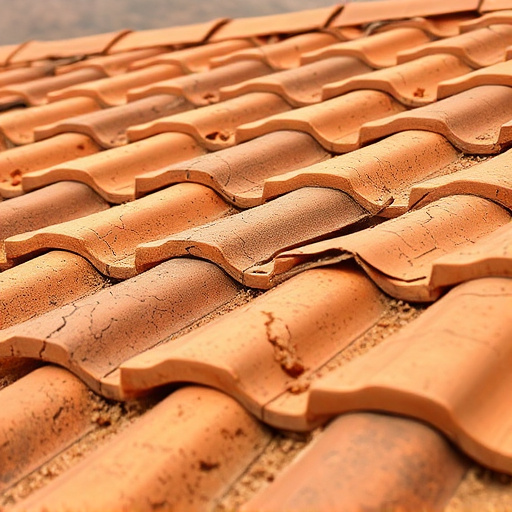
In the competitive real estate market of Oro Valley, a roof inspection is more than just a checklist-it's a crucial component of your home buying or selling journey. Understanding what a roof inspection covers is essential, especially when navigating the unique climate and building codes of our region. A thorough Oro Valley insurance roof inspection can reveal potential issues, from underlayment damage to flashing problems, that could impact your investment. This article guides you through the process, what to expect, and why it matters, especially as we approach monsoon season. By the end, you'll be equipped with the knowledge to make informed decisions, whether buying, selling, or simply maintaining your Oro Valley home.
- Understanding Oro Valley's Roof Inspection Requirements
- What to Expect During an Insurance Roof Inspection
- How to Prepare for Your Oro Valley Insurance Roof Inspection
- Benefits and Common Issues Identified in Oro Valley Roof Inspections
Understanding Oro Valley's Roof Inspection Requirements
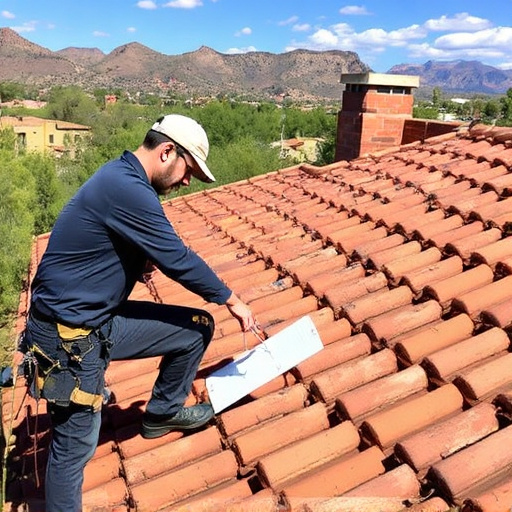
In Oro Valley, understanding the local roof inspection requirements is crucial for both home buyers and sellers. The area's unique climate and building codes necessitate specific checks to ensure roofs are up to par, especially with seasonal weather changes. One of the key aspects of Oro Valley's roof inspections is the focus on comprehensive assessments, including the inspection of parapets and underlayments, which are critical for protecting against potential cracks and leaks.
For homeowners, especially those in seasonal homes, regular roof inspections are essential. A licensed Oro Valley area roofing contractor recommends scheduling inspections before the monsoon season to catch any issues early. This is crucial as cracked tiles and other damage can be exacerbated by the intense summer rains. Oro Valley's building codes mandate specific inspections at various stages of a home's life cycle, including a final inspection after the installation of a new roof. The local Building Code, in conjunction with the Arizona Department of Housing, ensures these checks are in place to maintain the integrity of the housing stock.
When selling a home, an Oro Valley insurance roof inspection is often a prerequisite. Homeowners should be prepared to provide a detailed report outlining the roof's condition, including any necessary repairs or replacements. This is not only a requirement for insurance but also a way to ensure potential buyers are fully informed about the property's condition. If a home undergoes a major renovation or has an older roof, an infrared roof inspection can help detect hidden issues that might be missed during a visual check. This technology, used by experienced Oro Valley roof specialists, is a valuable tool for identifying problems that could impact a buyer's decision.
To seasonal inspections, homeowners should be vigilant for warning signs of roof problems between official check-ups. These might include unusual noises, water stains on the ceiling, or a noticeable dip in the roof's surface. Addressing these issues promptly, with the help of a qualified roofer, can prevent more serious and costly damage. Remember, a well-maintained roof not only protects your home but can also impact your insurance costs, making the investment in a thorough Oro Valley insurance roof inspection a wise decision.
What to Expect During an Insurance Roof Inspection
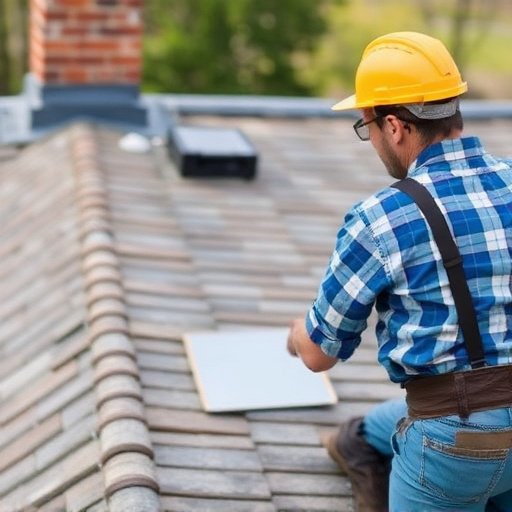
When preparing to sell or buy a home in Oro Valley, a crucial step is understanding what to expect during an Oro Valley insurance roof inspection. This process goes beyond a typical roof check; it's a detailed evaluation that can significantly impact your home sale or purchase, especially in our seasonal climate.
During an insurance roof inspection, a licensed professional will thoroughly examine your roof's structure, underlayment, and covering. They'll look for signs of damage, wear, or poor installation that might void your home insurance policy. In Oro Valley, where seasonal weather patterns can be extreme, inspectors pay close attention to attic ventilation, which matters in preventing heat build-up and moisture issues. Well-ventilated attics can help extend the lifespan of your roof, but inadequate ventilation can lead to costly repairs. Inspectors will also assess the condition of gutters, scuppers, and drains, ensuring they're clear and functional to prevent water damage.
For home buyers, this inspection offers peace of mind. It uncovers potential red flags that could save you from unexpected costs after the sale. Conversely, sellers benefit from identifying necessary repairs, which can help set realistic expectations for potential buyers. In the event of a claim, an up-to-date, comprehensive inspection report can expedite the process. Remember, an Oro Valley insurance roof inspection is a critical part of the home sale process, ensuring your investment is protected. DC Roofing of Arizona, a local, licensed roofer, can provide expert insights tailored to Oro Valley's unique conditions, helping you navigate this essential step.
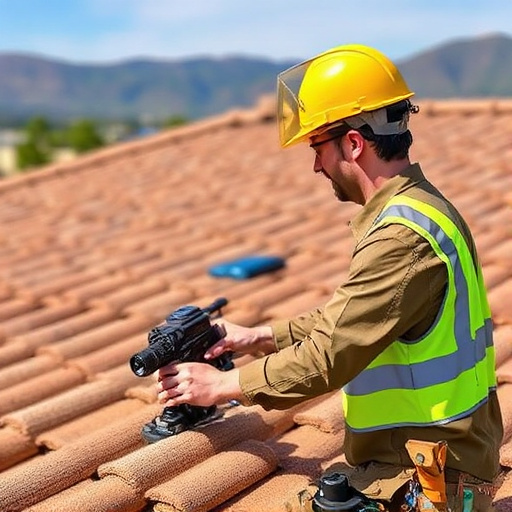
Preparing for your Oro Valley insurance roof inspection is a crucial step in ensuring your home's protection and maintaining its value. This process involves a thorough assessment of your roof's condition, which is essential for a comprehensive understanding of your coverage needs. Here's a step-by-step guide to help you navigate this critical task.
First, engage the services of a local roofing company serving Oro Valley, such as DC Roofing of Arizona, who can provide expert advice and conduct a thorough inspection. They will examine various aspects, including the underlayment, which acts as a secondary barrier against weather and moisture. A qualified inspector will use tools like moisture meters to check for any signs of water intrusion or damage. This step is vital, as it helps identify potential issues that could lead to costly repairs or even structural problems. An older roof may require additional attention to ensure the underlayment is in good condition, as it can be more susceptible to damage.
During the inspection, the roofer will also assess the overall structure, looking for any signs of wear and tear, missing or damaged shingles, or improper flashing around chimneys and vents. They will take measurements and photos to document the roof's condition and make recommendations for repairs or replacements. It's important to be present during this process to ask questions and understand the findings. After all, a well-prepared homeowner can actively participate in discussions with their insurance company, ensuring the best possible outcome for their coverage.
Once the inspection is complete, you'll receive a detailed report outlining the findings and recommendations. This document is crucial when dealing with your Oro Valley insurance company, as it provides evidence of the roof's condition. It's advisable to review the report with a professional to ensure you understand all the findings, especially regarding any issues that may impact your insurance claim. By being proactive and thorough in preparing for your insurance roof inspection, you can avoid potential delays or misunderstandings and ensure the best protection for your home.
Benefits and Common Issues Identified in Oro Valley Roof Inspections
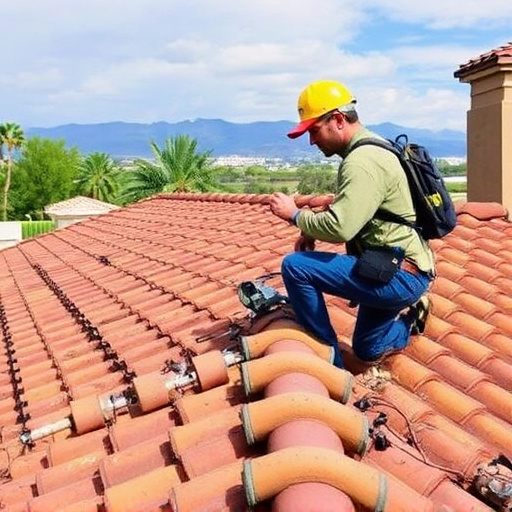
In Oro Valley, a thorough roof inspection is crucial for both home buyers and sellers. This process goes beyond a visual assessment; it involves a detailed examination of the roofing system, from the underlayment to the parapets, to ensure its longevity and structural integrity. Buyers can uncover potential issues that might affect the cost and maintenance of the property in the long term. Similarly, sellers can address any identified problems, enhancing the home's appeal and potentially speeding up the sale process.
Oro Valley's climate, with its monsoon seasons and occasional extreme weather events like hail, poses unique challenges for roofing. A licensed Arizona roofer will look for signs of wear and tear, especially in areas prone to damage such as the roof's edges and valleys. Common issues include missing or damaged shingles, flashing problems, and weak underlayment, which can lead to leaks. In Rancho Vistoso, where many homes feature flat or foam roofs, inspectors pay special attention to these surfaces, ensuring proper sealing and ventilation to prevent moisture-related damage.
Beyond the physical inspection, Oro Valley insurance roof inspections play a vital role in home sales. Insurance companies often require such assessments to determine coverage and premiums. A well-prepared roof inspection report can help buyers understand potential claims and costs, while sellers can use it to negotiate repairs and ensure they receive a fair price. If an inspection reveals extensive damage from wildfire ash, this knowledge can guide buyers and sellers in navigating post-fire insurance claims and repairs, a critical consideration in a region prone to such events.
When issues are identified, it's essential to know the next steps. Homeowners should consult with their roofer to discuss repair or replacement options. In some cases, a second inspection after repairs might be needed to ensure the work was done correctly. After a pre-monsoon inspection reveals flashing issues, a roofer can fix them, and a follow-up check before the rainy season ensures the problem won't resurface. This proactive approach, guided by expert inspections, is key to maintaining a home's value and protecting against costly surprises.
Frequently Asked Questions About an explainer for home buyers and sellers in Oro Valley on roof inspections
What is the purpose of a roof inspection before buying or selling a home in Oro Valley?
A roof inspection is crucial because it gives you a clear picture of the condition of the roof, the most significant component of your home's structure. It helps identify potential issues like missing or damaged shingles, signs of water damage, or structural weaknesses. Knowing these details allows you to negotiate the sale price, plan for repairs or renovations, and avoid costly surprises after closing.
How often should a roof be inspected?
While there's no one-size-fits-all answer, most experts recommend a thorough roof inspection every 2-3 years for residential properties. This interval can vary based on your region's weather patterns, the type of roofing material, and the age of your roof. In Oro Valley, where extreme weather conditions are less common, a bi-annual inspection might suffice.
Who should conduct a roof inspection: a roofer or an inspector?
While a licensed roofer can perform an inspection, it's often beneficial to choose a professional home inspector. They are trained to assess the overall condition of your home, including the roof, while a roofer typically focuses on repair and replacement needs. A home inspector will provide a broader perspective and help you understand potential long-term costs.
What should I look for during a roof inspection?
During an inspection, pay attention to the overall structure, looking for signs of water damage, missing or curled shingles, flashing issues, or damaged gutters. Also, check for proper ventilation, as poor ventilation can lead to premature roof deterioration. Note any spots that look suspicious and discuss them with the inspector for their professional opinion.
How much does a roof inspection cost in Oro Valley?
The average cost of a roof inspection in Oro Valley typically ranges from $200 to $400, depending on the size and complexity of your property. Some inspectors may charge per hour, while others offer flat rates. It's essential to discuss pricing and services provided before the inspection to avoid misunderstandings.
What happens after a roof inspection?
After the inspection, the inspector will provide you with a detailed report outlining the condition of your roof and any recommended repairs or replacements. You can use this information to make informed decisions about the future of your home's roof and plan your next steps accordingly.
As you consider the Oro Valley insurance roof inspection, remember that this process is a crucial step in safeguarding your investment. By understanding the local requirements, preparing adequately, and knowing what to expect, you can ensure a smooth evaluation. Oro Valley's strict building codes and the expertise of local inspectors ensure that your roof is not only protected but also meets the highest safety standards.
Beyond insurance, regular roof inspections are vital for maintaining your home's value and extending its lifespan. Identifying issues early, from underlayment problems to flashing and penetration checks, allows for timely repairs, preventing minor issues from escalating. This proactive approach can save you money in the long run, especially for older roofs or those with solar panels.
When an inspection is needed, whether before listing your home or after a natural disaster like a wildfire, be prepared for a thorough examination. The inspector will look for warning signs of damage, check gutters, scuppers, and drains, and assess the overall condition of your roof and attic. For seasonal inspections, a pre-monsoon checklist can help identify potential problems before the harsher weather sets in.
In the event of a failed inspection, don't panic. The next steps involve working with a qualified contractor to address the issues. With Oro Valley's robust network of local building supply stores, architects, and experienced roof specialists, finding the right support is accessible. This process underscores the importance of a thorough inspection and the long-term benefits of maintaining your roof's health.
In Oro Valley, roof inspections are crucial for home buyers and sellers due to the area's unique climate and building codes. These inspections include comprehensive assessments of parapets and underlayments, addressing seasonal weather risks. Homeowners should schedule inspections before monsoon season and be prepared for potential costs. Insurance companies often mandate these checks, impacting home sale and purchase decisions. Between official inspections, homeowners should watch for warning signs like unusual noises or water stains. Regular, thorough inspections, aided by technology like infrared roof scanning, are key to maintaining home value and insurance costs.