
Seasonal residents in Oro Valley face a unique challenge when their homes sit empty during the monsoons or other harsh weather conditions. A roof, often the most expensive part of a home, requires regular care and maintenance, even when the property is unoccupied. This is where a crucial yet often overlooked aspect of home ownership comes into play: the final inspection on a new roof. Understanding what a roof inspection covers, especially when you're not around, is essential to prevent costly repairs later. This article provides practical advice on preparing for and managing roof inspections while your home is unoccupied, ensuring your roof remains in top condition.
- Planning for Absence: Essential Roof Maintenance
- Preparing for the Final Inspection: New Roof Checklist
- Protecting Your Investment: Winter Roof Safety Tips
- Post-Season Roof Assessment: What to Expect
Planning for Absence: Essential Roof Maintenance
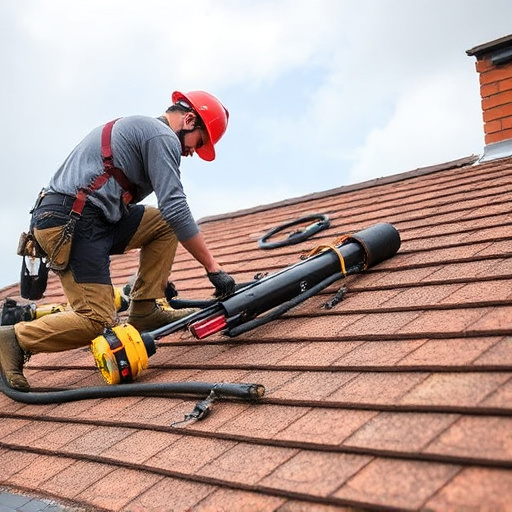
While your Sun City Oro Valley home is unoccupied during the peak seasons, ensuring the roof's longevity and protecting it from potential damage is crucial. Planning for absence means incorporating a thorough roof inspection into your maintenance routine. This is especially important for new roofs, as a final inspection can ensure proper installation and identify any potential issues early on.
A seasonal resident's approach to roof maintenance should focus on proactive measures. Before leaving town, arrange for a certified roofer from DC Roofing of Arizona to perform a comprehensive assessment. This inspection will cover the entire roof structure, including underlayment, flashing, and tile integrity. A moisture meter can also be employed to detect any signs of water intrusion, a critical step often overlooked. The Oro Valley Roof Inspectors Association recommends this pre-monsoon check to mitigate damage from the region's unique environmental conditions.
During the inspection, the roofer will verify compliance with the Local Building Code and the specific requirements of your Homeowners Association (HOA), if applicable. They'll also look for signs of aging or damage from hail, wildfire ash, or other environmental hazards. For flat or foam roofs, additional checks are necessary to ensure proper sealing and ventilation. The roofer will assess the condition of gutters, scuppers, and drains, as these are essential for diverting rainwater away from the foundation. In the case of solar panels, specialized inspections are required to verify that the roof structure supports the additional weight and that flashing around the panels is secure.
After the inspection, a detailed report will be provided, explaining any findings and recommending necessary repairs. For a new roof, this report is invaluable, as it ensures the work was executed according to industry standards. If issues are discovered, address them promptly to avoid more severe and costly damage in the future. Remember, regular roof maintenance, even when you're not present, is key to preserving the investment you've made in your Oro Valley property.
Preparing for the Final Inspection: New Roof Checklist

As a seasonal resident, leaving your home unattended for extended periods raises concerns about its condition, especially regarding the roof-a critical component that protects your property from the elements. When preparing for your final inspection on a new roof, especially after a busy summer season, you'll want to ensure a thorough check to catch any potential issues early. This checklist will help you get ready for the key elements a licensed Arizona roofer will examine during that critical final inspection.
First, visually inspect the exterior for any signs of damage. Look for slipped tiles or missing shingles, especially along the ridges and valleys, common areas for wear and tear. In Canada Hills, where homes often face varying weather patterns, these areas require extra attention. Check the ridge caps, too, as they play a vital role in protecting the roof's highest points from water intrusion. Keep an eye out for any signs of rot or decay, as these can indicate a larger problem. If you notice any significant issues, consult with a roofing contractor before the final inspection to avoid costly surprises.
Next, focus on the roof's underlayment, the protective barrier between the shingles and the attic. Ensure it's in good condition, free from tears, punctures, or gaps. The underlayment is crucial for preventing moisture seepage, so a thorough check is essential. Examine the gutters, scuppers, and drains for any blockages or damage, as proper water flow is critical for roof health. A well-maintained drainage system prevents water pooling, which can lead to rot and other structural issues.
Before the final inspection, consider a drone or on-roof inspection to capture detailed images of the entire roof's surface. This advanced technology offers a unique perspective, allowing for a more comprehensive assessment. It can help identify subtle issues like loose or missing flashing around the chimneys and vents, which are crucial for water sealing. An infrared roof inspection can also detect heat anomalies, indicating potential problems like poor insulation or water leaks.
Protecting Your Investment: Winter Roof Safety Tips

As a seasonal resident in Sun City Oro Valley, protecting your investment requires thoughtful actions, especially when your home stands empty during winter. One crucial aspect is ensuring your roof is in optimal condition. A final inspection on a new roof, or any roof for that matter, before the cold season sets in can prevent costly damages. This is particularly important in our region, where frozen water and fluctuating temperatures can accelerate roof deterioration.
During a winter roof inspection, look out for ponding-the accumulation of water on your roof due to poor drainage. This can happen when gutters, scuppers, and drains become clogged or if your roof's slope doesn't allow water to run off effectively. To avoid this, clear debris from gutters and ensure proper drainage. Also, check for any signs of damaged or missing shingles, as well as weakened underlayment, which can be more vulnerable during freezing temperatures. An experienced roofer with an Arizona ROC license can perform an infrared camera scan to detect heat loss and hidden leaks, offering a non-invasive way to assess your roof's health.
Another critical area to inspect is the attic. Look for signs of moisture, mold, or insulation damage, as these issues can lead to structural problems and poor energy efficiency. A thorough attic check can help you catch potential issues early, saving you from costly repairs. Consider scheduling a drone inspection if your roof is hard to access. Drones can capture detailed images and videos, allowing a professional to assess your roof's condition from various angles, especially in hard-to-reach areas. This advanced technology can help you make informed decisions about your roof's maintenance.
Remember, a final inspection on a new roof, or any roof, before the monsoon season and winter is a proactive step. It not only ensures the longevity of your roof but also protects your investment and provides peace of mind. By addressing issues early, you can avoid costly repairs and ensure your home is protected during the harsh Oro Valley winters.
Post-Season Roof Assessment: What to Expect
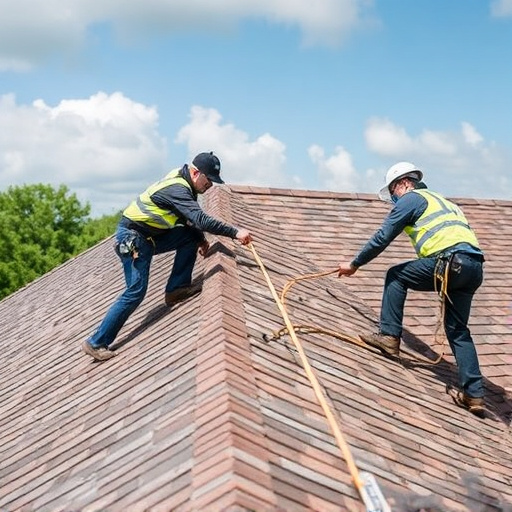
When your seasonal home sits unoccupied during the monsoon season, a final inspection on a new roof becomes even more crucial. This post-season assessment goes beyond a typical check-up, focusing on identifying potential issues that might have developed over the summer months. A thorough inspection should cover several key areas, ensuring your roof is in optimal condition when you return.
Start with a comprehensive look at the roof's structural integrity. Inspectors will examine the underlayment, checking for any signs of wear, especially in areas prone to extreme heat and monsoonal conditions. Look for loose or missing shingles, as well as any damage to the roof's flashing and penetration points. These are common problem areas that can lead to leaks if left unattended. During the inspection, pay close attention to the roof valleys-the channels where water flows off the roof-as they often collect debris and require regular cleaning. Proper attic ventilation is also crucial, as it helps regulate temperature and moisture levels, preventing excessive wear and tear.
DC Roofing of Arizona, a licensed Oro Valley area roofing contractor, recommends scheduling a final inspection before you lock away your vacation home for the season. This proactive step can save you significant time and money in the long run. By identifying and addressing issues early, you'll avoid more costly repairs later. Remember, the post-monsoon inspection is an excellent opportunity to ensure your roof is protected and ready for the next season, no matter how many times you decide to unplug or how long you stay away.
Frequently Asked Questions About advice for seasonal residents on roof inspections while a home sits empty
What should I look for during a roof inspection when my home is empty?
When conducting a roof inspection on an empty home, focus on signs of damage, wear, and potential entry points. Check for missing or damaged shingles, flashing, or gutters, as these can lead to leaks. Look for sagging or uneven sections, which might indicate structural issues or water damage. Examine the roof's perimeter for any gaps or openings that could allow pests or debris entry. Also, ensure all vents and chimneys are secure and free from obstructions. Documenting these observations with photos is helpful for tracking changes over time.
How often should I schedule a roof inspection?
It's recommended to have a professional roof inspection annually, or more frequently if your home is in a high-wind or severe weather area. Seasonal changes and extreme weather can accelerate roof damage, making regular inspections crucial for maintaining a secure and safe home. If you're a seasonal resident, schedule inspections before and after each period of occupancy to catch any issues early.
Can I perform a roof inspection myself, or do I need a professional?
While a visual inspection is possible for homeowners, a comprehensive assessment requires professional expertise. Roofers have the tools, training, and experience to identify subtle issues like hidden damage, moisture intrusion, or structural weaknesses. They can also provide maintenance recommendations and solutions, ensuring your roof remains in top condition. Regular professional inspections can save money in the long run by preventing costly repairs.
What damage should I look out for, especially if my home will be empty for extended periods?
When your home is unoccupied, it's more vulnerable to specific types of damage. Look for signs of wood rot or mold, especially in areas with moisture buildup, like attics or crawl spaces. Check for broken or damaged vents, which can lead to severe interior damage when left unattended. Look out for tree branches or debris that could fall on the roof, causing puncture damage. Also, be alert for signs of animal infestation, as animals seeking shelter can cause substantial roof damage.
How can I protect my roof during periods of vacancy?
Protecting your roof during empty periods involves several measures. Ensure all doors and windows leading to the roof are secured. Consider investing in a roof cover or tarp to shield the roof from the elements. Trim trees and shrubs around the home to prevent branches from falling. Install motion-activated lights in the exterior to deter intruders. Regularly check for any unusual noise or activity that might indicate a break-in attempt. Inform local authorities or neighbors of your absence to keep an eye on your property.
As seasonal residents prepare to return home, a final inspection on a new roof is a crucial step to ensure your investment is protected. By following the comprehensive checklist covered in this guide, you can proactively identify and address potential issues that may have arisen during your absence. From preparing for extreme weather conditions to understanding the necessary checks for new installations, these insights empower homeowners to make informed decisions. Regularly scheduled inspections, especially after significant seasonal changes, are vital to maintaining a safe and secure roof. With this knowledge, you can confidently take the next steps, such as contacting a licensed Oro Valley roofing contractor for a thorough assessment, ensuring your home's roof is in optimal condition for the upcoming year.
As a seasonal resident in Oro Valley, protect your investment with proactive roof maintenance. Conduct a final inspection on a new roof before leaving for the season to catch potential issues early. Key areas to inspect include structural integrity, underlayment, shingles, flashing, valleys, and attic ventilation. Use advanced technologies like drone inspections and infrared imaging for detailed assessments. Regular maintenance ensures roof longevity and prevents costly damage from environmental hazards.