
As seasonal residents in inspection covers, like Oro Valley, you may wonder how to maintain your home's most vital asset-the roof-when it's empty for parts of the year. Neglecting roof inspections can lead to costly damage, especially during extreme weather events or seasonal changes. This is particularly true for older roofs or those with specialized materials, like metal or flat/foam roofs, which require specific care.
Regular, thorough inspections are crucial, especially before and after monsoon seasons and after potential weather-related events like wildfires. An infrared roof inspection, for instance, can detect heat anomalies indicating problems like leaks or damaged underlayment, offering a non-invasive, efficient solution for identifying issues before they turn into costly repairs.
This article provides practical advice on how to approach roof inspections when your home is unoccupied, ensuring your investment remains secure.
- Prepare Your Roof for Unoccupied Season
- Understanding Infrared Roof Inspection Benefits
- Step-by-Step: Conducting a Basic Roof Check
- Protecting Your Investment: Long-Term Roof Care
Prepare Your Roof for Unoccupied Season

As your seasonal home in Rancho Vistoso sits unoccupied during the monsoon season, preparing your roof for potential issues is crucial. A well-maintained roof not only ensures the structural integrity of your property but also helps prevent costly repairs and replacements. Here's a practical guide to help you navigate the process, focusing on what a roof inspection covers and how to prepare for it while your home is empty.
Regular roof inspections, especially in regions with varying weather conditions, are essential for identifying potential problems early on. In Oro Valley, where homes often experience extreme heat, heavy rainfall, and occasional hailstorms, a thorough inspection should include a close look at the roof valleys-the low points where water naturally collects. This is particularly important for flat or foam roofs, which require specific attention to ensure proper drainage and prevent water damage. A licensed Arizona ROC contractor recommends checking for signs of leaks, damaged shingles, or underlayment deterioration. Inspecting the flashing around chimneys, vents, and skylights is vital, as these areas are susceptible to failure and can lead to serious structural problems if left unattended.
One innovative technique gaining traction is infrared roof inspection, which uses thermal imaging to detect heat anomalies indicative of potential problems, such as missing or damaged shingles or underlayment issues. This non-invasive method is valuable for seasonal residents as it allows for a comprehensive assessment without the need for extensive climbing or disruption to your property. Many insurance companies now offer discounts for homes with regular inspections, encouraging proactive maintenance. Before the monsoon season hits, schedule an appointment with a local roofer specializing in these advanced techniques to ensure your roof is in optimal condition.
Between inspections, there are several proactive measures homeowners can take. Ensure gutters, scuppers, and drains are clear of debris to facilitate proper water flow, preventing water from pooling around your home's foundation. Check for any visible signs of wear and tear, such as curled or missing shingles, and address them promptly. For homes in HOA communities, it's essential to familiarize yourself with the specific requirements and guidelines related to roof maintenance, as many HOAs have strict regulations regarding exterior property care. By combining regular professional inspections with vigilant seasonal maintenance, you can significantly extend the lifespan of your roof and protect your investment.
Understanding Infrared Roof Inspection Benefits
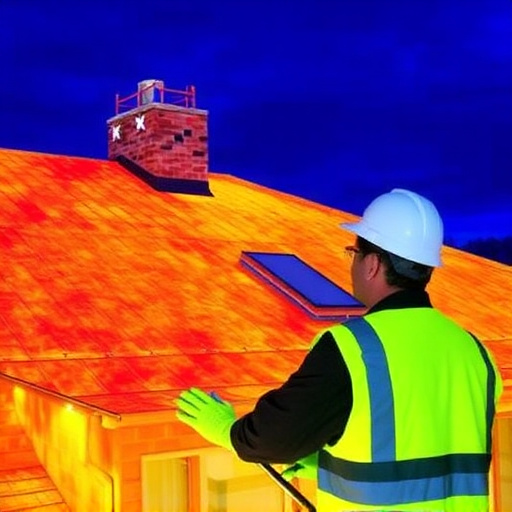
While your seasonal home in Oro Valley may be unoccupied for much of the year, it's crucial to maintain a proactive approach to roof health. This is where an infrared roof inspection can prove invaluable. Unlike traditional methods, infrared technology allows inspectors to detect issues that may be invisible to the naked eye, such as slipped tiles, moisture intrusion, or underlayment damage.
Infrared roof inspections offer several key benefits for seasonal residents. First, they're non-invasive, leaving no marks or damage to your roof. This is particularly important for homes that may be vacant for extended periods, as it minimizes the risk of further deterioration. Second, they provide a detailed thermal image that highlights areas of concern, such as hot spots that could indicate leaks or poor ventilation. By identifying these issues early, you can avoid costly repairs and ensure the long-term integrity of your roof.
A licensed Arizona roofer might recommend an infrared inspection after a severe storm or following a wildfire, when ash and debris can obscure visual inspections. These inspections are ideal for vacation rentals, as they allow you to maintain a high standard of safety and quality for prospective tenants. By integrating infrared technology into your seasonal roof maintenance routine, you're employing a sophisticated, efficient, and beneficial approach to safeguarding your Oro Valley property.
Step-by-Step: Conducting a Basic Roof Check
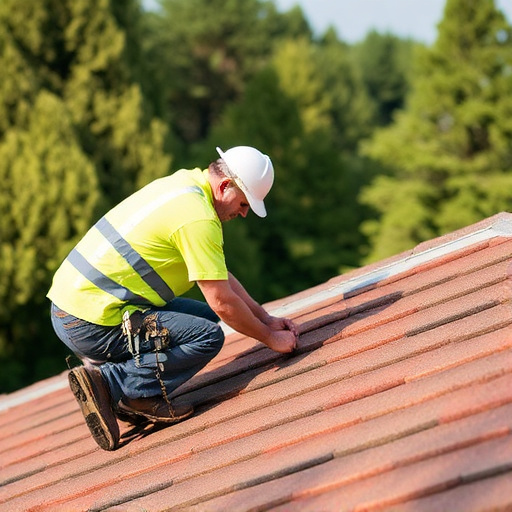
When your Oro Valley home sits empty during the monsoon or off-season, a thorough roof inspection is crucial to protect your investment. Even if you plan to sell or rent your property soon, taking the time to conduct a basic roof check can help you identify issues early and ensure a smoother process for insurance renewals. An experienced Oro Valley roof specialist recommends the following step-by-step guide for seasonal residents.
Start by inspecting the roof's exterior for any visible signs of damage. Look for missing, curled, or damaged shingles, especially around chimneys and vents. Check for flashing issues, which might appear as rust or damage near the roofline, chimneys, and vents. These areas are particularly prone to leaks and can be difficult to spot from the ground, so consider using a pair of binoculars or a drone for a closer look. Next, examine the underlayment beneath the shingles. The underlayment acts as a secondary barrier against moisture, so look for any signs of wear, tears, or moisture damage. Advanced infrared roof inspection technology can help uncover issues not immediately apparent, such as hidden moisture or poor sealant application.
Move inside to the attic and check for proper ventilation. Insufficient ventilation can lead to moisture buildup, which, in turn, can cause significant damage to your roof and home. Look for signs of water stains, mold, or mildew, which might indicate a problem with the roof's integrity. Also, inspect the attic for proper insulation and check for any leaks coming from the roof. Finally, pay attention to the gutters, scuppers, and drains. Blockages can lead to overflow, causing damage to your roof and the foundation of your home. Ensure these systems are clean and functional to prevent water damage and maintain the overall health of your roof.
After your basic roof check, compare your findings with your inspection report from the last time your home was occupied. Look for recurring issues and take appropriate measures to address them. If flashing problems are a recurring theme, consult a licensed roofer to make the necessary repairs. Regular, proactive maintenance can extend the life of your roof and save you from costly repairs. Remember, a little time spent on a roof check can go a long way in ensuring your Oro Valley property remains in top condition, even when it's unoccupied.
Protecting Your Investment: Long-Term Roof Care
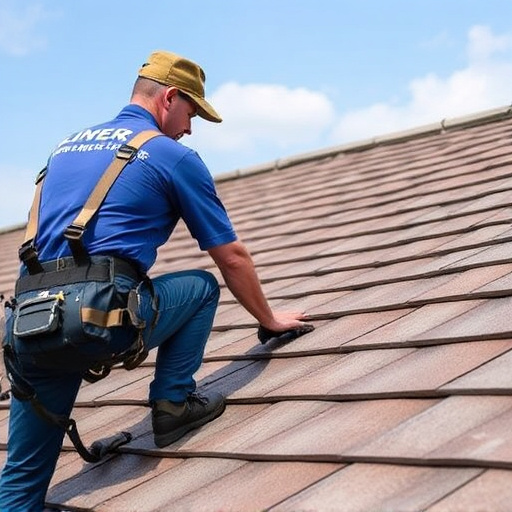
Protecting your investment, especially when your home sits empty for much of the year, requires a strategic approach to roof care. As seasonal residents, you must be proactive in maintaining your roof's integrity to prevent costly repairs and ensure the long-term protection of your property. This is where an experienced Oro Valley roof specialist can offer invaluable guidance, providing the tools and knowledge to keep your roof in top condition, even during the challenging conditions that come with the local monsoon season.
Regular, comprehensive inspections are key to early detection of any issues. While an annual tile roof inspection is a good starting point, consider a more in-depth assessment before the monsoon hits. This includes a thorough infrared roof inspection, which can identify heat anomalies that point to potential problems, such as missing or damaged shingles or underlayment. By combining this technology with a detailed visual inspection, you can catch issues early, saving you from costly repairs later. An infrared scan can reveal the presence of moisture in areas that are hard to access, indicating a potential leak that may have gone unnoticed.
Beyond the standard checks, focus on the roof's critical components, such as the attic ventilation and flashing. Proper ventilation matters in maintaining the roof's overall health by reducing heat build-up and preventing moisture damage. Ensure that your attic is well-ventilated to avoid problems associated with excessive heat and humidity, common during the monsoon. Similarly, flashing, the material that seals the joints between roof components, should be checked for any signs of wear and tear. A failing flash can lead to leaks, so regular inspection is crucial. Remember, even a small problem can turn into a significant repair if left unattended.
As your home sits empty, especially during the summer months, be vigilant about checking for warning signs that your roof may need attention. These include missing or curled shingles, discolored spots, or unusual noise during storms. An Oro Valley roof specialist recommends that residents make it a priority to have a certified inspector evaluate the roof's condition before the monsoon and after any significant weather event, such as a wildfire or heavy ash fall. This proactive approach will ensure your roof is in its best state, providing peace of mind and safeguarding your investment.
Frequently Asked Questions About advice for seasonal residents on roof inspections while a home sits empty
What should I look for during a roof inspection if I'm not living in the home full-time?
Focus on visible signs of damage, such as missing or damaged shingles, flashing, or gutters. Check for water stains, peeling paint, or discolored areas on the ceiling and walls. Also, look for signs of pests or insects, as well as any structural weaknesses or signs of wear and tear. Document these findings with photos for future reference.
How often should I have a roof inspection when my home is vacant?
It's recommended to have a professional roof inspection at least once a year. Regular inspections are crucial to catch potential issues early, especially in regions with extreme weather conditions. Since your home is vacant, any damage may go unnoticed until it becomes a major problem.
Can I perform a roof inspection myself, or do I need a professional?
While you can perform a basic visual inspection, it's advisable to hire a licensed roofer for a thorough assessment. They have the expertise and tools to identify subtle issues that might be missed by an untrained eye. Remember, a professional inspection provides peace of mind and can save you money in the long run by preventing costly repairs.
What documentation should I keep regarding my roof inspections?
Maintain a detailed record of all inspections, including dates, observations, and any recommended repairs. This documentation is invaluable for tracking the condition of your roof over time. If you hire a contractor, ask for a written report outlining the inspection findings and proposed solutions. Keep these records in a safe place, easily accessible for future reference.
How can I protect my roof from damage while I'm away?
Consider installing a timer for indoor lights to prevent a dark home from attracting intruders. Ensure all windows and doors are securely locked. Consider investing in a timed sprinkler system to keep the roof and surrounding areas hydrated, preventing drought-related damage. Trim any nearby trees or branches that could fall onto the roof during storms.
What should I do if I suspect a roof leak while my home is empty?
If you suspect a leak, arrange for a professional inspection as soon as possible. Leaks can cause significant damage over time, even when a home is unoccupied. Don't attempt to repair the leak yourself, as improper patching can lead to further complications. A professional roofer can quickly assess the issue and implement a permanent solution.
Seasonal residents who own homes in Oro Valley face unique challenges for roof maintenance. To ensure your investment remains protected during unoccupied seasons, implement these key strategies. Regularly conducting basic roof checks and understanding the benefits of infrared roof inspection are crucial. This technology allows for non-invasive, detailed assessments, detecting issues like moisture intrusion and thermal anomalies that could signal problems. By combining these proactive measures with long-term roof care practices, homeowners can minimize the risk of costly repairs. Stay vigilant by inspecting for loose or missing shingles, checking gutters and drains, and examining the underlayment and attic for signs of damage. Regular maintenance, combined with the advanced insights provided by infrared roof inspection, empowers homeowners to make informed decisions and protect their properties.
Summary:
Protect your Oro Valley property year-round with proactive roof care. Regular inspections, especially during monsoon season, are crucial. Use infrared roof inspections to detect hidden issues like moisture damage or missing shingles. Check exterior for damage, flashing problems, and underlayment wear. Inspect attic ventilation and look for signs of moisture or mold. Address issues promptly to avoid costly repairs. Schedule inspections with a local, licensed roofer before monsoon and after severe weather events.