
Roof inspections are crucial for maintaining property values, ensuring safety, and preventing costly damage in inspection covers, especially in areas prone to extreme weather like ours. Homeowners Associations (HOAs) and insurance companies often require regular inspections, setting guidelines and standards that homeowners must meet. This guide explores the essential elements of these inspections, focusing on what a roof inspection covers, including critical assessments of flashing and penetration checks, to ensure your roof is protected. We'll examine the who (roof inspectors with proper credentials), what (annual tile roof inspections, pre-monsoon checklists, post-hail assessments), and why (HOA requirements, insurance claims, longevity of your roof) to empower homeowners and property managers alike.
- Understanding HOA Roof Inspection Protocols
- Insurance Coverage: What You Need to Know
- Comprehensive Roof Inspection Checklist
- Addressing Common Issues: Flashing & Penetration
Understanding HOA Roof Inspection Protocols
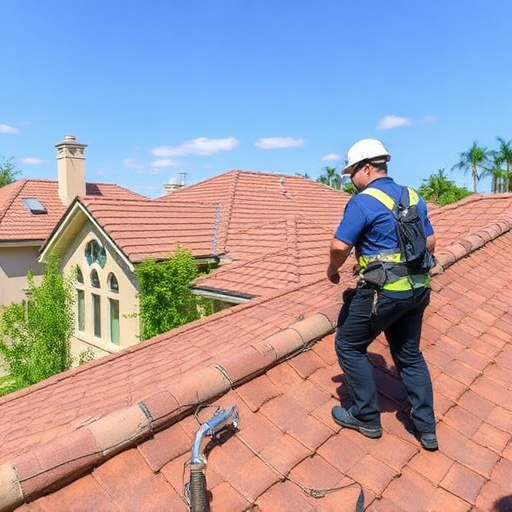
Homeowners Associations (HOAs) in Oro Valley play a crucial role in maintaining property standards, and roof inspections are a significant part of this. Understanding the specific protocols and requirements set by your HOA and insurance providers is essential for homeowners. This knowledge ensures you meet all necessary criteria when preparing your seasonal home for inspection, especially in Sun City Oro Valley where seasonal residents are prevalent.
For roof inspections, HOAs often have detailed guidelines to ensure the safety and longevity of structures. A common requirement is a comprehensive annual tile roof inspection, focusing on various elements. A roofing contractor serving Oro Valley and Marana may emphasize the importance of examining the parapets, underlayment, and flashing and penetration checks. These elements are vital as they prevent water intrusion and potential damage, which is a significant concern in a region prone to monsoon storms. The inspector will assess the condition of the tile, looking for loose or damaged shingles, and verify the integrity of the roof's flashing around chimneys and vents.
To the HOA's standards, insurance companies have their own set of criteria for roof inspections, particularly after extreme weather events. In Oro Valley, where wildfire ash and pre-monsoon storms are common, insurance providers may require inspections after such events. A roof check after wildfire ash can identify potential issues like debris buildup or damage from falling branches. The inspection report should detail any repairs needed, including flashing and penetration repairs, to ensure the roof is protected against future risks.
HOA and insurance requirements often align to ensure the safety and value of properties. Homeowners should be proactive in understanding these protocols, as they can impact the process and cost of repairs. For seasonal homes, staying on top of inspections is crucial, as it ensures the roof is in optimal condition for the next occupation. By adhering to the guidelines and engaging a qualified roofing contractor, homeowners can ensure a smooth inspection process and maintain their Oro Valley property to the highest standards.
Insurance Coverage: What You Need to Know

In Oro Valley, understanding your Homeowners Association (HOA) and insurance roof inspection requirements is crucial for maintaining a safe and well-protected home. This is especially true in areas like Rancho Vistoso and Sun City Oro Valley, where diverse climates and architectural styles demand tailored care. The scope of these inspections goes beyond a surface-level assessment. An experienced Oro Valley roof specialist recommends that comprehensive inspections include detailed checks on flashing and penetration points, ensuring water cannot infiltrate and cause damage.
When dealing with insurance claims, knowledge of your policy is paramount. Insurance carriers often require detailed reports from licensed Oro Valley roof specialists to assess damage and verify the extent of repairs. During these inspections, specialists not only look for signs of structural damage but also examine the integrity of the roof's components. This includes checking scuppers, gutters, and drains to ensure proper water flow, which is vital in preventing mold and foundation issues. A close inspection might reveal loose or damaged flashing around vents, chimneys, or edges, requiring replacement or repair.
HOA regulations further complicate the matter, adding another layer of scrutiny. These rules often mandate specific maintenance and repair schedules, including the frequency of roof inspections. Failure to adhere to these guidelines can result in fines or the denial of insurance claims. Some HOAs in Oro Valley may require an annual tile roof inspection, a pre-monsoon check, or a post-hail assessment. An Oro Valley roof inspection cost varies based on the scope and complexity of the roof, but understanding these requirements can help homeowners prepare and budget accordingly. Regular, thorough inspections, especially before listing a home or after a wildfire, are key to maintaining a sound roof and averting costly repairs.
Comprehensive Roof Inspection Checklist

A comprehensive roof inspection checklist is crucial for Homeowners Associations (HOAs) and insurance companies alike, ensuring that Oro Valley properties are safe and well-maintained. This detailed list goes beyond a surface-level assessment, addressing various aspects that directly impact a roof's longevity and the overall structure's integrity. A thorough inspection should include an evaluation of the roof's components, such as underlayment, flashing, and penetration points, which are critical areas prone to damage.
When performing an HOA or insurance-mandated inspection, an experienced Oro Valley roof specialist will meticulously check for moisture intrusion. This involves using a moisture meter to assess the level of water vapor in the attic, a key indicator of potential leaks. Seasonal homes, for example, require extra attention during the monsoon season, as increased rainfall can quickly expose vulnerabilities. The inspector will also pay close attention to the roof's ventilation system, ensuring adequate air circulation to prevent heat buildup and reduce the risk of structural damage. Proper attic ventilation is an essential component often overlooked but crucial for maintaining the overall health of the roof.
The checklist should encompass flashing and penetration checks, which are vital to sealing any openings where elements like chimneys, vents, and pipes enter the roof structure. These areas are common points of weakness and can lead to significant issues if not properly sealed. Regular inspections, ideally before and after each season, help in identifying potential problems early on. For vacation rental properties, for instance, a thorough pre-season inspection can highlight areas needing repair or maintenance, ensuring a seamless experience for guests. Following such a checklist ensures that any issues are documented and addressed promptly, saving time and money in the long run.
Addressing Common Issues: Flashing & Penetration

For roof inspections, especially in a community like Oro Valley with its diverse roofing types, attention to detail is crucial. A thorough inspection should always include a close look at flashing and penetration points. These areas are particularly vulnerable to damage and leaks, and their proper installation and maintenance are essential for the long-term health of a roof.
Flashings are essential barriers that seal the joints and penetrations in a roof system, preventing water intrusion. Common areas requiring careful inspection include around chimneys, vents, and roof penetrations for plumbing or electrical fixtures. Over time, flashings can deteriorate, become damaged during storms or settle, creating gaps that allow water to seep in. A roofer with an Arizona ROC license should check for signs of cracking, peeling, or corrosion, and ensure proper sealing and fastening. In cases where a roof is older or has been repaired, it's important to verify that the flashing was installed correctly and is compatible with the existing material.
Penetration points refer to any opening in the roof that allows passage for utilities or other components. Scuppers, for example, are the outlets at the edge of a roof that drain water away from the foundation. These areas are also prone to damage, especially from hail or accreting snow. Inspectors should look for blockages, proper alignment, and secure fastening to ensure water is directed away from the building effectively. It's crucial to assess the condition of the surrounding flashing and sealing around these penetration points to prevent leaks.
Advancements in drone photography and infrared imaging can aid in inspecting these hard-to-reach areas. Drones can capture detailed images of the roof's surface and hard-to-access locations, while infrared cameras can detect temperature variations that may indicate leaks. However, these technologies should supplement, not replace, a thorough manual inspection by a qualified professional. A homeowner's association (HOA) considering a seasonal roof inspection should require a detailed assessment of flashings and penetration points, along with a thorough visual scan of the entire roof by a certified inspector.
Remember, a well-maintained roof starts with a comprehensive understanding of these crucial components. By addressing flashing and penetration issues early, homeowners and HOA boards can avoid costly repairs and ensure the longevity of their Oro Valley roofs.
Frequently Asked Questions About a guide to HOA and insurance roof inspection requirements
What are the typical signs that my roof needs inspection? Roof damage can be subtle but significant. Common signs include missing or damaged shingles, leaks, mold or mildew growth, visible spots or discoloration, and an uneven or sagging roof surface. If you notice any of these issues, it's crucial to schedule an inspection, as they could indicate a larger problem.
Who is responsible for initiating a roof inspection in an HOA community? HOA boards or property managers typically initiate roof inspections. They are responsible for ensuring the common areas, including the roof, are maintained according to the association's guidelines and insurance requirements. Regular inspections are part of their upkeep responsibilities.
How often should roof inspections be conducted? The frequency depends on various factors, including local weather patterns, the type of roofing material, and the age of the building. As a rule, inspections should be done at least once a year. More frequent inspections may be required in areas prone to severe storms or high wind conditions.
What is the role of insurance in roof inspection requirements? Insurance companies often require regular roof inspections as part of policy maintenance. They help assess the condition of the roof and identify potential claims. Insurers may request inspections after a significant weather event or if a policyholder reports damage. The inspection report can impact claim approval and settlement.
Who performs HOA roof inspections? HOA inspections are usually carried out by licensed and experienced roofing contractors familiar with the specific requirements of the association and local building codes. These professionals ensure the inspection is thorough and provides an accurate assessment for any necessary repairs or replacements.
Understanding the intricacies of HOA roof inspection protocols and insurance coverage is crucial for property owners in Oro Valley. This guide has provided a comprehensive overview of what a roof inspection covers, emphasizing the importance of annual tile roof inspections and seasonal home inspections to prevent costly damage. By examining specific requirements, such as HOA roof inspections and flashing and penetration checks, homeowners are now equipped to ensure their properties meet local building codes and maintain the integrity of their roofs.
The article has highlighted the value of thorough inspections in identifying common issues like faulty underlayment and poor gutter, scupper, and drain systems. By addressing these issues proactively, homeowners can avoid severe problems, especially after extreme weather events like wildfires and monsoons.
The comprehensive roof inspection checklist offered here serves as a practical tool for property owners and real estate agents alike. It encourages regular maintenance, which not only extends the lifespan of a roof but also protects against unexpected insurance claims. Understanding the process, from initial inspections to final checks on new roofs, empowers homeowners to actively participate in safeguarding their investments.
This guide has demystified the process of HOA and insurance roof inspections, providing actionable insights and a clear path for maintaining and protecting Oro Valley's roofing infrastructure.
Homeowners in Oro Valley, Arizona, face stringent roof inspection requirements from both Homeowners Associations (HOAs) and insurance companies, especially in areas prone to monsoon storms and wildfires. A comprehensive inspection involves detailed checks on flashing and penetration points to prevent water damage and other issues. Understanding these protocols, as well as the frequency mandated by HOAs, is crucial for homeowners, especially those with seasonal properties. Regular, thorough inspections by a licensed roofer with an Arizona ROC license, prior to and after seasons, can help avoid costly repairs and ensure a well-protected home.